Introduction
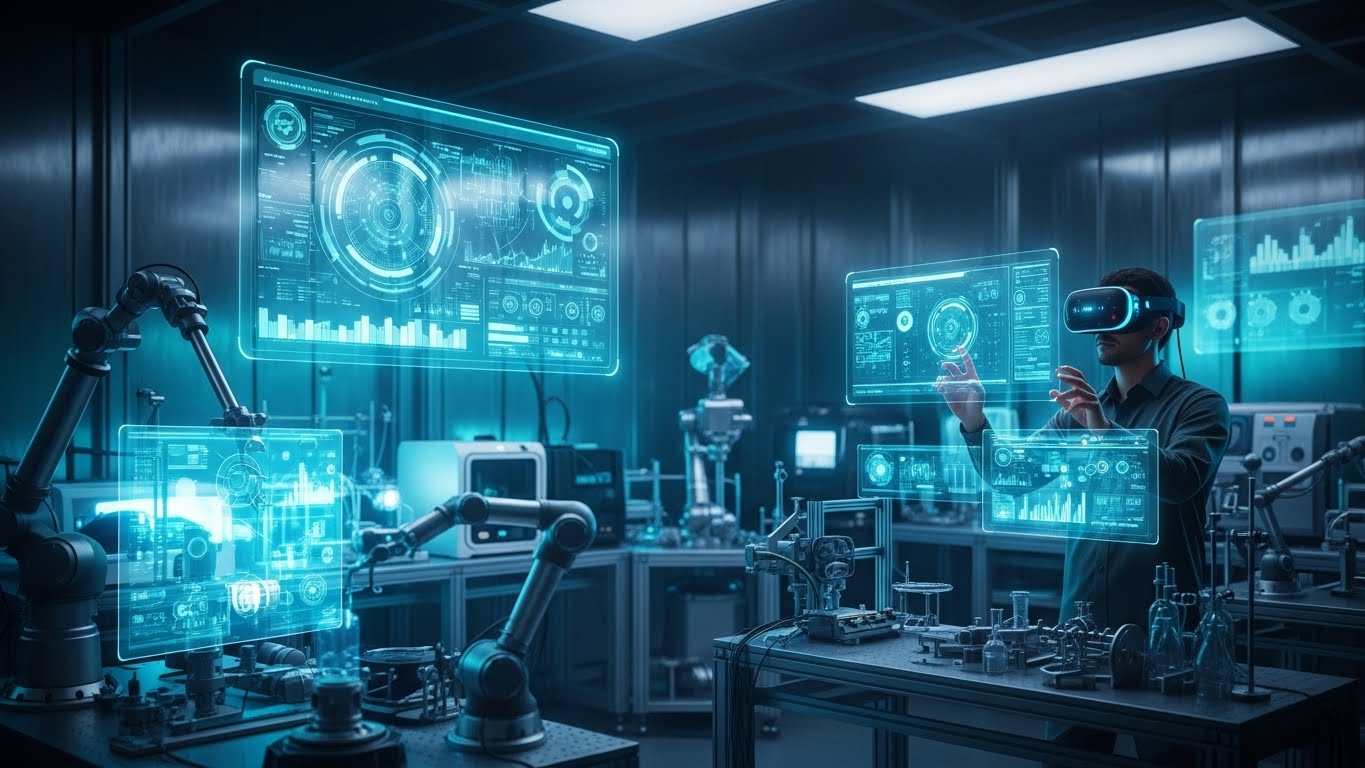
Technology has become the heartbeat of modern civilization, driving innovation, communication, and transformation in every aspect of human life. The 21st century has seen an explosion of technological advancements that have reshaped how we live, work, and interact. From artificial intelligence to smart devices, from quantum computing to green energy, the technological world is evolving faster than ever before. This blog explores how technology has revolutionized our world, its impact on society, and the potential directions it might take in the near future.
The Power of Artificial Intelligence
Artificial Intelligence (AI) is perhaps the most transformative force of our time. It is not just about robots or futuristic machines; AI is deeply embedded in everyday life. It powers virtual assistants, customer service chatbots, facial recognition software, and even medical diagnostic systems. AI has brought efficiency, precision, and automation to industries that were once reliant on manual effort.
In healthcare, AI helps detect diseases early and personalizes treatment plans based on a patient’s genetic data. In business, it streamlines processes, predicts market trends, and improves customer experiences. However, as powerful as AI is, it raises important ethical questions. Concerns about job loss, bias in algorithms, and privacy violations must be addressed responsibly. The future of AI depends on how well humanity manages its potential risks while maximizing its benefits.
Quantum Computing: The Next Frontier
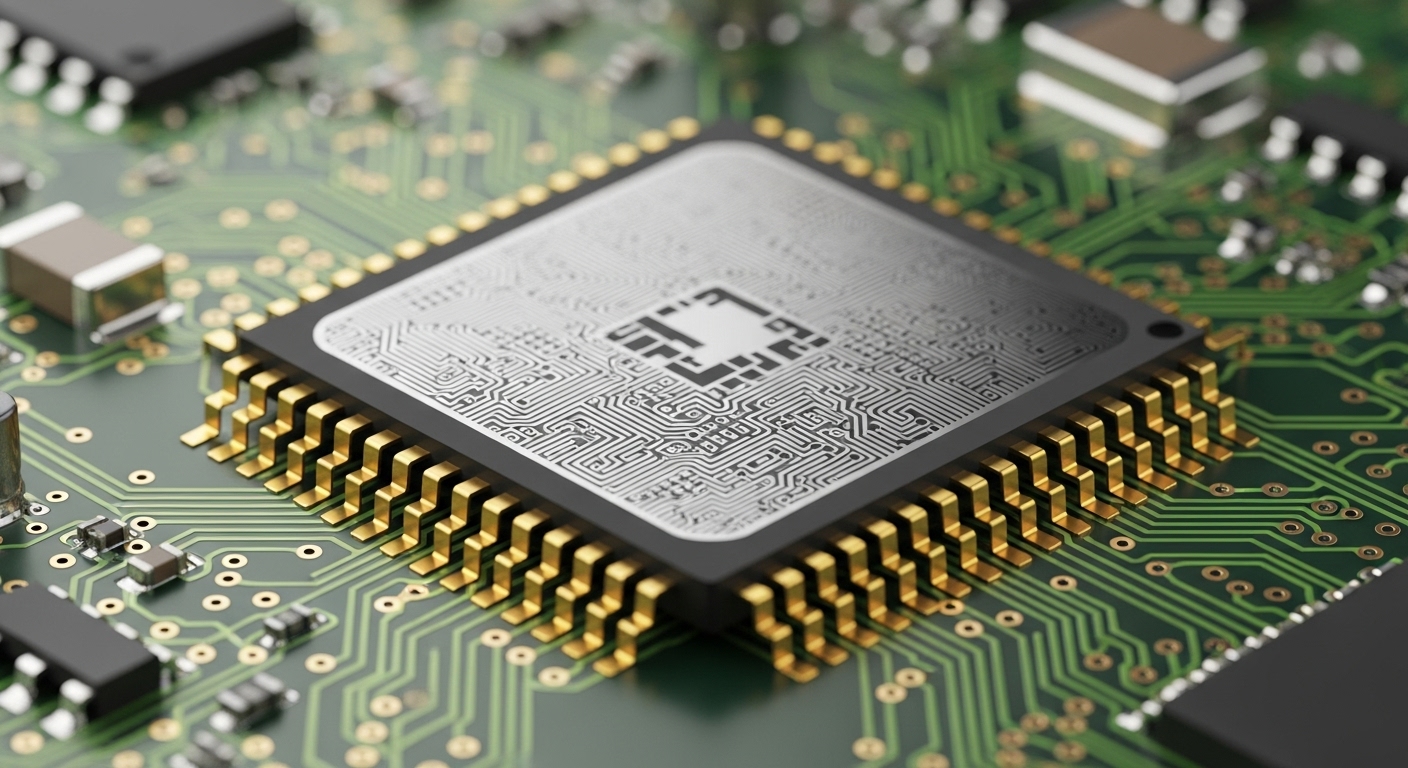
Quantum computing represents a technological breakthrough that could redefine the limits of computation. Traditional computers process information in binary code—zeros and ones—but quantum computers use qubits, which can exist in multiple states simultaneously. This allows them to perform complex calculations at unimaginable speeds.
Quantum computing has the potential to revolutionize fields like cryptography, materials science, and climate modeling. For instance, it could solve problems related to drug discovery or molecular simulation that classical computers cannot handle efficiently. Although this technology is still in its early stages, global tech leaders are investing heavily in its development. When fully realized, quantum computing will mark the beginning of a new era of innovation and problem-solving.
The Internet of Things: A Connected World
The Internet of Things (IoT) has turned the world into an interconnected digital ecosystem. From smart refrigerators that notify users about groceries to cities equipped with intelligent traffic systems, IoT connects billions of devices that collect and share data in real time.
In industries, IoT enables predictive maintenance, energy efficiency, and automation. Farmers use IoT sensors to monitor soil moisture and crop health, while logistics companies track shipments with precision. The concept of a smart home has also become mainstream, allowing people to control lighting, security, and appliances through smartphones or voice commands.
Yet, as IoT continues to expand, data security becomes a growing concern. Every connected device is a potential entry point for cyberattacks. Therefore, developing stronger cybersecurity protocols and ensuring data privacy must remain top priorities as the IoT universe grows.
The 5G Revolution
The fifth generation of wireless communication—5G—is redefining connectivity. It delivers faster data speeds, lower latency, and more reliable connections. Unlike previous generations, 5G is not just about faster internet; it is about enabling entirely new technologies.
5G supports innovations like autonomous vehicles, remote surgeries, and immersive augmented reality experiences. It facilitates real-time communication between billions of devices, making it the backbone of smart cities and intelligent industries. As the infrastructure for 5G continues to expand, it will play a crucial role in driving the next wave of digital transformation.
Edge Computing: Bringing Data Processing Closer
The explosion of data generated by connected devices has pushed traditional cloud computing to its limits. This is where edge computing comes in. Instead of sending data to distant cloud servers, edge computing processes information near the source. This reduces latency, improves speed, and enhances data privacy.
Edge computing is particularly useful in scenarios requiring real-time decision-making, such as autonomous vehicles, healthcare monitoring, and industrial automation. It ensures that critical data is processed instantly, without relying on remote servers. As 5G and IoT technologies continue to grow, edge computing will become an essential pillar of modern digital infrastructure.
Augmented and Virtual Reality: Blending the Real and Digital Worlds
Augmented Reality (AR) and Virtual Reality (VR) have revolutionized how people experience the world. AR overlays digital information onto the physical environment, while VR creates immersive digital worlds. Together, these technologies are reshaping industries such as education, gaming, real estate, and healthcare.
In education, AR allows students to explore complex subjects interactively, such as walking through historical events or examining 3D models of the human body. In healthcare, surgeons can practice complex procedures using VR simulations before performing real operations. Entertainment and gaming industries have also embraced these technologies to create lifelike experiences that blur the line between reality and imagination.
Blockchain Technology: Beyond Cryptocurrency
Blockchain technology gained fame as the foundation of cryptocurrencies, but its potential extends far beyond digital money. At its core, blockchain is a decentralized and tamper-proof ledger that records transactions securely. This makes it ideal for industries that require transparency, accountability, and security.
In supply chain management, blockchain ensures traceability of products from origin to destination. In healthcare, it secures patient records and ensures data integrity. In governance, blockchain-based voting systems promise greater transparency and reduced corruption. By eliminating the need for intermediaries, blockchain fosters trust in digital transactions, making it one of the most promising technologies for the future.
Robotics and Automation: Redefining Productivity
Automation and robotics have transformed industries by increasing efficiency and reducing human error. Robots are no longer limited to factory floors; they are now found in warehouses, hospitals, and even homes. From robotic arms assembling cars to autonomous drones delivering packages, automation has become an integral part of the modern economy.
In healthcare, robotic-assisted surgeries provide unmatched precision. In agriculture, robots help plant, monitor, and harvest crops with minimal human intervention. However, as automation continues to advance, it brings challenges such as workforce displacement and the need for new skills. The future will require a balanced approach where humans and machines collaborate rather than compete.
The Rise of Green Technology
As concerns about climate change grow, the tech industry is embracing sustainability. Green technology focuses on creating solutions that reduce environmental impact. Renewable energy, electric vehicles, and sustainable materials are at the forefront of this movement.
Solar and wind energy technologies have become more affordable and efficient. Electric cars are reducing dependence on fossil fuels, while smart grids improve energy distribution. Recycling and waste reduction technologies are also playing a key role in preserving the planet’s resources. The integration of technology with environmental consciousness ensures that progress does not come at the cost of the Earth’s well-being.
Cybersecurity: Protecting the Digital World
As technology evolves, so do the threats that target it. Cybersecurity has become one of the most critical aspects of the digital era. Cyberattacks can compromise sensitive information, disrupt businesses, and even endanger national security.
Organizations are investing in advanced cybersecurity measures such as encryption, biometric authentication, and AI-driven threat detection. However, cybersecurity is not just a corporate issue—it affects individuals too. Awareness and education about digital safety practices are essential for protecting personal data. The more connected our world becomes, the more vital cybersecurity will be in maintaining trust and stability.
Human and Machine Collaboration
Contrary to the fear that machines will replace humans, technology is increasingly enabling collaboration between the two. Artificial intelligence and robotics are designed to complement human skills, not eliminate them. Machines handle repetitive tasks, while humans focus on creativity, strategy, and empathy.
In workplaces, AI-driven tools assist employees in decision-making and data analysis. In creative industries, technology enhances artistic expression through digital design and automation. This partnership between human intellect and machine efficiency represents the future of work—a future where collaboration drives innovation.
The Ethical Future of Technology
As we embrace technological progress, ethical considerations must remain at the forefront. Issues such as data privacy, algorithmic bias, and environmental responsibility cannot be ignored. Technology must be guided by moral principles that protect human dignity and fairness.
Ethical frameworks should ensure that innovation benefits all members of society, not just a privileged few. Governments, corporations, and individuals must work together to create policies that balance progress with protection. The true success of technology lies not only in its capabilities but in its capacity to uplift humanity.
Conclusion
The technological revolution of the 21st century is unlike anything humanity has experienced before. It is shaping economies, redefining communication, and transforming everyday life. From artificial intelligence to green energy, from quantum computing to blockchain, every innovation brings new possibilities and responsibilities.
As we navigate this digital odyssey, the key lies in embracing technology with wisdom, awareness, and purpose. The future will belong to those who can adapt, learn, and innovate while maintaining ethical integrity. Technology is not just a tool—it is a reflection of human creativity and ambition. If harnessed responsibly, it can lead us toward a world that is smarter, more sustainable, and profoundly connected.