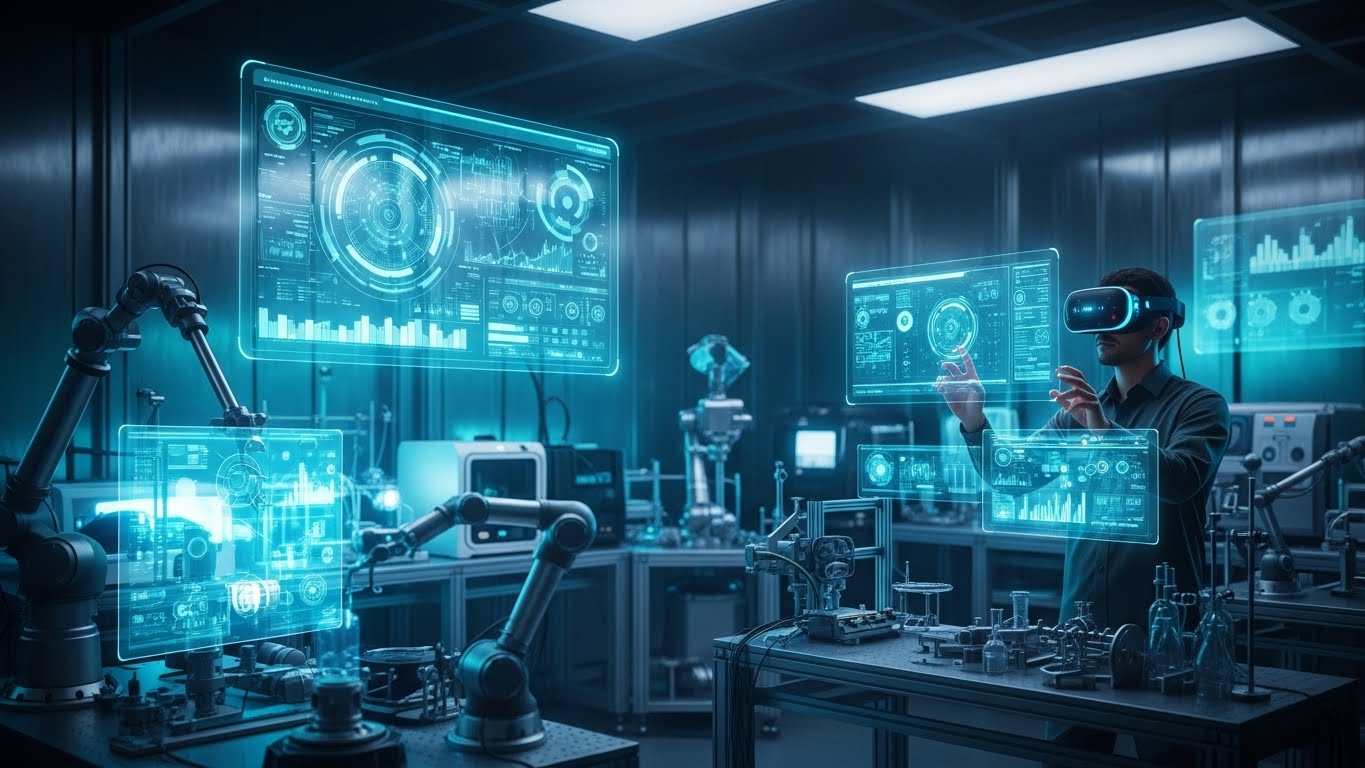

Introduction: Technology as a Driving Force
Technology has become the backbone of modern life. From smartphones and the internet to artificial intelligence and robotics, it impacts every aspect of our existence. It influences how we communicate, learn, work, and entertain ourselves. Over the past century, technological advancements have accelerated at an unprecedented pace, changing not only our routines but also society itself. Technology is no longer just a tool; it is a transformative force that drives human progress, shapes economies, and connects people around the globe.
The Evolution of Technology
Technology has evolved from simple tools to complex systems that influence global civilization. Early humans invented tools to aid survival, which eventually led to innovations like the wheel, printing press, and electricity. Each invention reshaped society, making life easier and more efficient.
The Industrial Revolution introduced mechanization, factories, and large-scale production, transforming economies and human labor. The 20th century brought the digital revolution, where computers, the internet, and mobile devices revolutionized communication, work, and education. Today, emerging fields like artificial intelligence, biotechnology, and quantum computing promise to redefine human capabilities and expand possibilities further.
Technology and Communication
Communication has been one of the most profoundly impacted areas of life due to technology. Letters that once took days or weeks to arrive have been replaced by instant messaging, video calls, and social media platforms. Smartphones now serve as multipurpose devices for communication, entertainment, and productivity.
Social media has enabled people to connect globally, form communities, and share ideas instantly. Businesses rely on digital communication tools for collaboration, while education and healthcare also benefit from virtual communication solutions. Despite challenges like misinformation and privacy concerns, technology has made the world more connected than ever before.
Technology in Education
Education has been transformed by digital tools. Online courses, virtual classrooms, and interactive applications make learning accessible to millions worldwide. Students can now access knowledge beyond textbooks and traditional curricula.
Virtual reality and augmented reality provide immersive learning experiences, helping students grasp complex concepts. Artificial intelligence assists educators by analyzing student performance and customizing learning approaches. Technology enables personalized education, fosters critical thinking, and prepares learners for a digital-first world.
Technology in Healthcare
Healthcare has undergone a revolutionary transformation thanks to technology. Advanced diagnostic tools, robotic surgeries, telemedicine, and wearable devices have improved patient care and accessibility. Electronic health records allow seamless information sharing between medical professionals, ensuring accurate and efficient treatment.
Artificial intelligence assists in early disease detection, medical imaging analysis, and drug development. Telemedicine allows healthcare access in remote areas, reducing the need for travel. Wearable devices help monitor vital signs and track fitness, promoting preventive care. Overall, technology has made healthcare more precise, effective, and inclusive.
Technology in Business and Industry
Technology has reshaped the business world. Automation, data analytics, and artificial intelligence improve productivity, decision-making, and customer engagement. Cloud computing enables remote work and global collaboration, breaking down geographical barriers.
E-commerce has transformed retail, allowing businesses to reach customers worldwide. Digital marketing tools provide precise targeting and enhance customer experiences. In manufacturing, robotics and automation increase efficiency, precision, and scalability. Across all industries, technology drives innovation, competitiveness, and economic growth.
Technology and the Future of Work
Workplaces are evolving due to technological advancements. Remote work is increasingly common, supported by digital collaboration tools, cloud platforms, and communication software. Automation and artificial intelligence are reducing repetitive tasks while creating opportunities in tech-driven sectors.
The modern workforce requires digital literacy, adaptability, creativity, and problem-solving skills. Lifelong learning is essential as technology continues to reshape job roles. While some traditional jobs may decline, new careers and industries emerge, demonstrating that technological progress creates opportunities alongside challenges.
Technology in Entertainment
Entertainment has been completely transformed by technology. Streaming platforms allow on-demand access to movies, music, and series, replacing traditional television. Video games have become a massive industry, blending art, storytelling, and interactive experiences.
Virtual reality and augmented reality provide immersive entertainment, offering new ways for users to engage with content. Social media and content creation platforms democratize entertainment, allowing individuals to reach audiences worldwide. Technology has made entertainment more interactive, creative, and globally accessible.
Technology and the Environment
Technology plays a vital role in addressing environmental challenges. Renewable energy solutions such as solar, wind, and hydroelectric power reduce dependence on fossil fuels. Smart grids, electric vehicles, and energy-efficient systems help minimize environmental impact.
In agriculture, precision farming, drones, and data analytics increase efficiency while conserving resources. Environmental monitoring systems track pollution, deforestation, and climate change, providing insights for sustainable policies. Technological innovation is essential for creating a sustainable future that balances development with environmental responsibility.
Ethical and Social Challenges
While technology brings numerous benefits, it also presents significant challenges. Data privacy, cybersecurity, misinformation, and overdependence on devices are critical issues in the digital age. Cyberattacks and data breaches highlight the need for stronger security measures and responsible usage.
The digital divide remains a pressing concern, as unequal access to technology limits opportunities for education, healthcare, and employment. Overreliance on technology can also contribute to social isolation, reduced physical activity, and mental health issues. Addressing these challenges requires ethical standards, awareness, and inclusive policies to ensure technology benefits society equitably.
The Future of Technology
The future of technology promises groundbreaking advancements. Artificial intelligence will become more sophisticated, capable of assisting humans in problem-solving, decision-making, and creative work. Quantum computing could revolutionize processing speeds, solving complex problems beyond current capabilities.
The Internet of Things will connect devices, homes, and cities, creating smarter and more efficient systems. Biotechnology may enhance human health, longevity, and capabilities. However, rapid technological growth must be guided by ethics, sustainability, and equitable access to ensure that innovations benefit humanity as a whole.
Conclusion: Embracing the Digital Age
Technology has become an inseparable part of modern life. It influences communication, education, healthcare, business, entertainment, and environmental management. It empowers individuals, connects communities, and drives economic growth.
As society advances, responsible use of technology is critical. Ethical considerations, inclusivity, and sustainability should guide innovation to ensure technology improves lives without causing harm. Technology is not just about smarter machines—it is about enhancing human potential, creating opportunities, and shaping a better future.
The journey of technology is ongoing, and how we harness it will define the world for generations to come. By embracing innovation responsibly, humanity can use technology to build a connected, sustainable, and prosperous future.