
The Ever-Present Influence of Technology
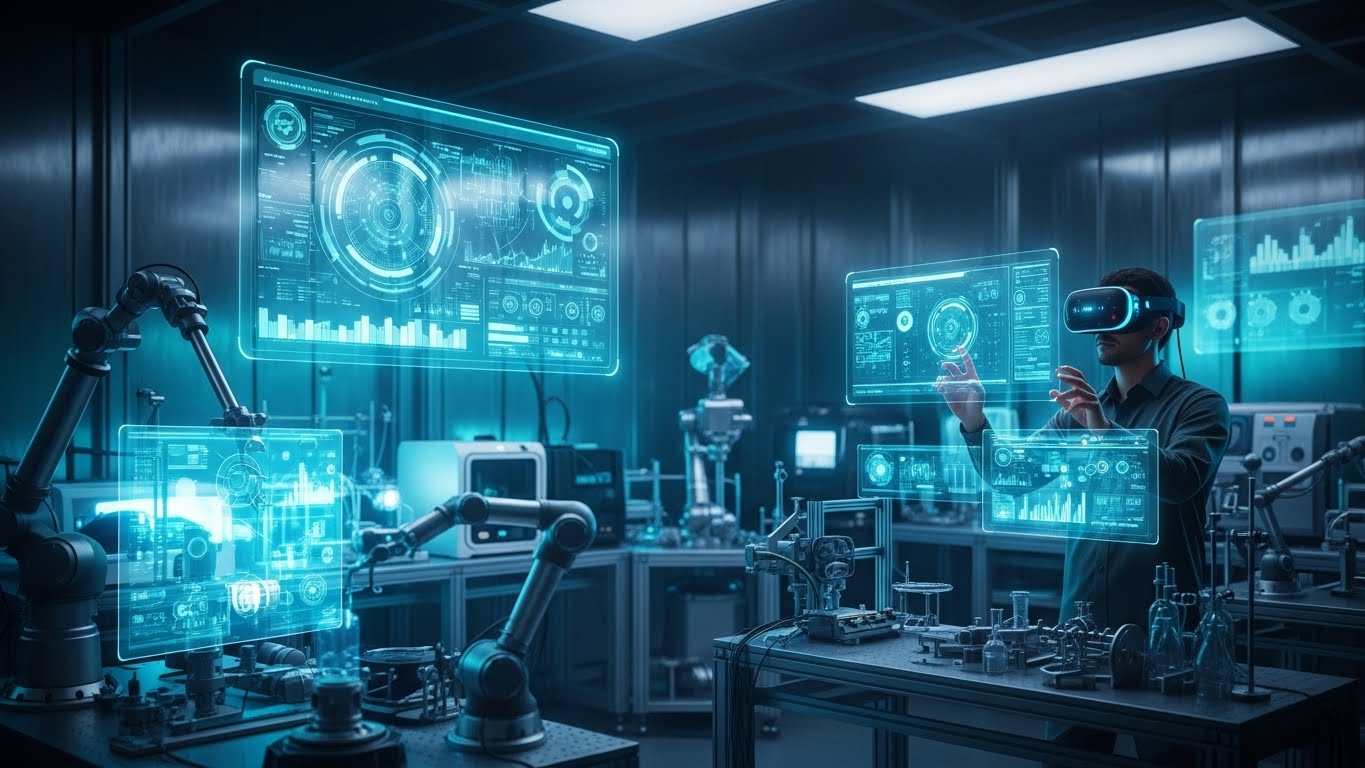
Technology is no longer just a tool; it has become a way of life. From the moment we wake up to the time we go to sleep, technology shapes our decisions, routines, and interactions. Smartphones, smart homes, wearable devices, and digital platforms have seamlessly integrated into daily life, making tasks more efficient and experiences more immersive. Its pervasive influence extends beyond convenience—technology affects education, business, healthcare, entertainment, and even the way we socialize. As innovation continues at an unprecedented pace, understanding its impact is essential for navigating the modern world.
Artificial Intelligence: Revolutionizing the Way We Think and Work
Artificial intelligence has emerged as one of the most transformative technologies of the 21st century. AI systems are no longer limited to research labs; they now power everything from personal assistants to predictive analytics in business. AI can analyze massive datasets, detect patterns, and make decisions faster than humans ever could. In industries like healthcare, AI assists in diagnosing diseases, predicting outbreaks, and even personalizing treatment plans. In business, AI enhances decision-making and automates routine tasks, freeing up humans for more strategic work. Its potential is immense, but it also raises important questions about ethics, privacy, and employment in the age of automation.
The Internet of Things: Connecting the World Around Us
The Internet of Things, or IoT, has made the dream of a connected world a reality. Everyday objects such as refrigerators, thermostats, cars, and even clothing can now communicate with each other and with users. This connectivity enhances efficiency, safety, and convenience. For example, smart homes adjust temperature settings based on usage patterns, while smart cars provide real-time traffic updates and safety alerts. IoT is also transforming industries such as agriculture, where sensors monitor soil conditions and crop health. The growing network of connected devices promises a future where technology anticipates needs and acts proactively, fundamentally changing how humans interact with their environment.
Cloud Computing: Powering the Digital Ecosystem
Cloud computing has redefined how individuals and organizations store, access, and manage data. Unlike traditional storage, cloud systems allow users to access resources from anywhere in the world while ensuring scalability and security. Businesses leverage cloud computing for cost efficiency, collaboration, and data backup. For individuals, cloud services enable seamless sharing of files, media, and applications. Moreover, cloud infrastructure supports emerging technologies like AI, big data analytics, and virtual reality by providing the computing power and storage necessary to handle complex tasks. The cloud has truly become the backbone of the digital economy.
Cybersecurity: Protecting Data in a Digital Age
As technology becomes more integrated into our lives, cybersecurity has become a critical concern. Data breaches, identity theft, ransomware attacks, and phishing scams pose serious threats to individuals and organizations alike. Protecting sensitive information requires a combination of advanced technology and educated users. Cybersecurity solutions such as encryption, multi-factor authentication, and artificial intelligence-driven threat detection play a pivotal role in defending against cybercrime. The ongoing challenge is that as technology evolves, so do cyber threats, making cybersecurity a constantly shifting battlefield that demands vigilance and innovation.
The Rise of Virtual Reality and Augmented Reality
Virtual reality (VR) and augmented reality (AR) are revolutionizing the way we experience the digital and physical worlds. VR immerses users in a completely simulated environment, while AR overlays digital elements onto the real world. Both technologies are transforming industries such as gaming, education, healthcare, and retail. In education, VR allows students to explore historical sites or conduct scientific experiments virtually, making learning more interactive and engaging. In retail, AR enables customers to try products virtually before purchasing. These technologies are not just entertainment tools; they are reshaping how humans perceive and interact with information.
Blockchain Technology: Beyond Cryptocurrency
Although often associated with cryptocurrency, blockchain technology has applications far beyond digital money. Its decentralized and transparent nature makes it ideal for industries that rely on trust and verification, such as finance, supply chain management, and healthcare. Blockchain ensures that data cannot be tampered with, providing security and accountability. Smart contracts automate transactions based on predefined conditions, reducing the need for intermediaries. As businesses and governments explore blockchain solutions, it has the potential to streamline operations, prevent fraud, and create more equitable systems.
5G and the Future of Connectivity
The rollout of 5G networks represents a major leap in connectivity. With faster speeds, lower latency, and greater capacity, 5G will enable innovations previously limited by bandwidth constraints. Autonomous vehicles, smart cities, remote surgeries, and real-time collaborative virtual workspaces all rely on reliable, high-speed connections. 5G also supports the growing Internet of Things, allowing billions of devices to communicate efficiently. Its widespread adoption will change the way we live, work, and interact with technology, making a fully connected world not just a possibility but a reality.
Technology in Healthcare: Transforming Medicine
Healthcare has been transformed by technology in ways unimaginable a few decades ago. Wearable devices monitor vital signs in real-time, enabling proactive health management. Telemedicine allows patients to consult doctors from remote locations, breaking geographical barriers. AI-driven diagnostics improve accuracy and speed, while robotics assist in complex surgeries with precision beyond human capability. Additionally, big data analytics helps track epidemics, develop vaccines, and personalize treatment plans. Technology in healthcare not only saves lives but also enhances the quality of life, making healthcare more accessible, efficient, and patient-focused.
Sustainable Technology: Innovations for a Greener Future
Sustainability and technology are increasingly intertwined. Renewable energy solutions such as solar, wind, and bioenergy rely on technological advancements for efficiency and storage. Smart grids optimize energy distribution, reducing waste and enhancing reliability. Electric vehicles are reshaping transportation, cutting emissions and promoting cleaner urban environments. Additionally, technology aids in climate monitoring, resource management, and environmental conservation. Sustainable innovations demonstrate that technology can be a force for ecological responsibility, helping societies transition to a greener, more sustainable future.
The Social Impact of Technology
Technology is reshaping social interactions, communication, and cultural trends. Social media platforms, messaging apps, and video-sharing services allow people to connect instantly across continents. Online communities provide support, share knowledge, and foster collaboration on a global scale. While technology enhances connectivity, it also presents challenges such as digital addiction, misinformation, and privacy concerns. Understanding the social impact of technology requires balancing its benefits with potential risks, ensuring that digital interactions remain positive, meaningful, and empowering.
The Ethical Dimensions of Technological Advancement
With great power comes great responsibility. As technology evolves, ethical considerations become paramount. AI decision-making, data privacy, surveillance, genetic engineering, and autonomous systems raise profound moral questions. How much control should humans relinquish to machines? What constitutes fair and ethical use of data? These dilemmas require collaboration between technologists, policymakers, and society to ensure that innovation aligns with human values. Ethical foresight ensures that technology benefits humanity rather than creating unintended harm or inequality.
Preparing for a Tech-Driven Future
Education and adaptability are critical in a rapidly evolving technological landscape. Learning coding, data analysis, cybersecurity, and digital literacy are becoming as essential as traditional subjects. Lifelong learning will be necessary to remain relevant in careers influenced by automation and AI. Encouraging creativity, critical thinking, and problem-solving skills alongside technical proficiency ensures that individuals are not just consumers of technology but active shapers of the future. Preparing for a tech-driven future is less about predicting specific inventions and more about cultivating skills, awareness, and flexibility.
Conclusion: Technology as a Catalyst for Progress
Technology is no longer a mere instrument; it is a catalyst that transforms lives, societies, and economies. From artificial intelligence to blockchain, from virtual reality to sustainable energy, every innovation opens new possibilities and challenges. Its impact is global, reshaping industries, redefining human interaction, and influencing ethical norms. Embracing technology with knowledge, responsibility, and foresight ensures that it serves as a tool for progress rather than a source of imbalance. As the pace of innovation accelerates, understanding and harnessing the potential of technology will determine how effectively humanity navigates the opportunities and challenges of the digital age