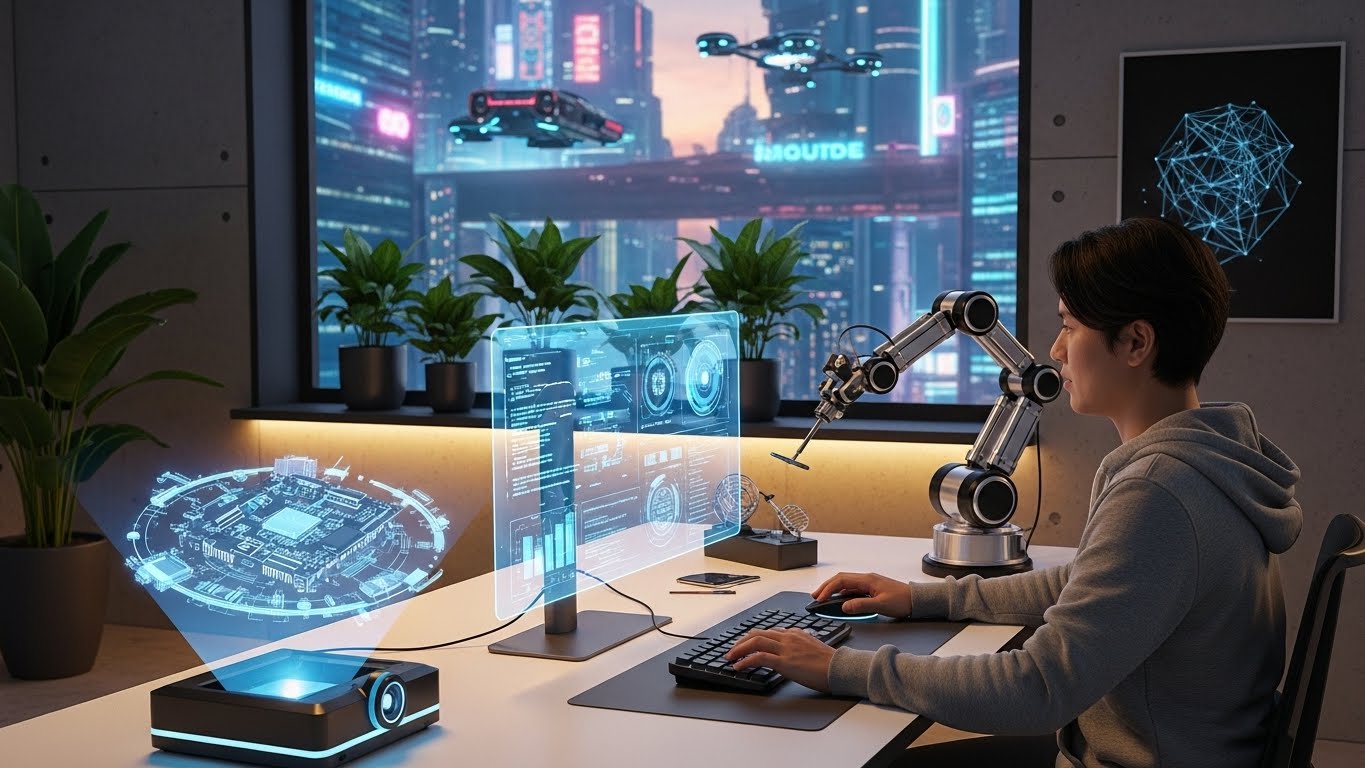

Introduction: A New Era of Invisible Technology
Technology has gone through many eras, from massive mainframe machines to sleek smartphones that fit in the palm of a hand. But today, we stand at the beginning of a new shift, one that is quieter yet more transformative than any before. This shift is called ambient computing, and it represents the integration of technology so seamlessly into daily life that we hardly notice it. Rather than interacting directly with devices, we interact with environments that understand, anticipate, and respond to our needs. This blog explores what ambient computing truly is, why it matters, and how it will change the way we live, work, and connect with the world.
What Exactly Is Ambient Computing?
Ambient computing refers to an ecosystem of devices, sensors, and software that operate quietly in the background to support human activity. Instead of tapping a touchscreen or typing a command, users simply exist in a space where technology works automatically. Voice assistants, smart thermostats, wearable devices, and AI-driven services are all building blocks of this emerging environment.
The concept may sound futuristic, but it is already woven into everyday life. A home that adjusts the lighting when the sun sets, a car that lowers its speed to maintain safe distance from other vehicles, or a watch that warns you about an irregular heartbeat are all early examples. These technologies do not stand out; they blend into routines effortlessly, embodying the essence of ambient computing.
The Transition from Personal Devices to Intelligent Environments
For decades, computing has centered around devices. Laptops, phones, and tablets form the main interface between humans and technology. However, the rise of ambient computing signals a departure from this device-centric model. Instead of relying on one machine, users engage with a network of interconnected tools that work together.
This shift mirrors larger cultural changes. People now expect technology to be intuitive, proactive, and personalized. They want it to understand context, location, preferences, and habits without constant input. Ambient computing answers these desires by distributing intelligence across environments rather than confining it to a single device.
The Role of Artificial Intelligence in Ambient Systems
Artificial intelligence sits at the heart of ambient computing. Without AI, the seamless orchestration of devices and data would be impossible. Machine learning models interpret user behavior, predict needs, and optimize responses. Natural language processing allows voice commands to replace manual tasks. Computer vision enables machines to understand surroundings and act accordingly.
AI’s growing sophistication means ambient systems can adapt in real time. For example, an ambient home might dim lights during a movie without being asked. A workplace might adjust room temperatures based on occupancy patterns. The intelligence is not just reactive but anticipatory, learning over time to deliver experiences that feel almost human in their understanding.
Real-Life Applications Transforming Daily Routines
Ambient computing is not an abstract idea; it is already shaping practical experiences across multiple domains.
Smart Homes
Homes equipped with interconnected lighting, security systems, appliances, and sensors provide comfort and convenience beyond traditional automation. A smart kitchen might preheat the oven when a recipe app indicates you are ready to cook. A living room might personalize entertainment settings depending on who enters.
Healthcare and Wellness
Wearable devices continuously monitor vitals, sleep patterns, and activity, offering early detection of potential health issues. Ambient sensors in senior living environments can detect falls, track movement, and alert caregivers without intruding on privacy.
Transportation
Vehicles are evolving into intelligent environments on wheels. Driver-assistance systems monitor surroundings, adjust speeds, and help maintain lane position. Future autonomous cars will transform travel into an ambient experience where passengers simply enjoy the ride.
Work and Productivity
Offices are increasingly adopting ambient features such as automated meeting-room booking, biometric entry, and climate control based on occupancy. These systems reduce friction, enabling workers to focus on meaningful tasks rather than logistical details.
Why Ambient Computing Matters
The appeal of ambient computing lies in its ability to simplify life. When environments become intelligent, people can devote more attention to experiences rather than managing technology. Efficiency increases as machines handle routine tasks. Accessibility improves for those with disabilities, turning everyday environments into adaptive helpers.
Beyond convenience, ambient computing opens opportunities for more sustainable living. Sensors that track energy usage and adjust consumption can significantly reduce waste. Smart urban infrastructure, such as intelligent traffic systems and responsive lighting, can improve safety and environmental impact.
Challenges on the Road to Invisible Technology
Despite its promise, ambient computing also presents significant challenges.
Privacy Concerns
For technology to anticipate needs, it must gather data. This raises concerns about who controls the information, how securely it is stored, and how it might be used. Without strong protections, ambient systems risk becoming tools for surveillance rather than convenience.
Interoperability Issues
True ambient computing requires devices from different brands and platforms to work together. While progress has been made, many ecosystems remain fragmented, limiting seamless interaction.
Dependence on Connectivity
Ambient systems rely heavily on stable networks. In areas with poor connectivity, these technologies become less effective or even dysfunctional. Expanding reliable access is crucial to making ambient computing accessible to all.
Ethical and Social Considerations
As machines take on more responsibilities, questions arise about over-reliance on automation. Will people lose certain skills? How do we ensure that ambient systems make fair and unbiased decisions? These are important considerations as we build more intelligent environments.
The Future: A World Where Technology Fades into the Background
Looking ahead, ambient computing is poised to become the foundation of everyday life. Future homes may automatically detect stress levels and adjust environments to promote calm. Cities may optimize traffic flow dynamically, improving safety and reducing pollution. Workplaces may become fully adaptive, supporting individual productivity styles.
In education, classrooms might personalize lessons based on each student’s pace and strengths. In entertainment, augmented reality could bring immersive experiences that adapt to user emotions and surroundings. The possibilities are as broad as human imagination.
The most profound impact of ambient computing may be the way it reshapes the relationship between humans and technology. Instead of viewing devices as tools we command, we will experience technology as something woven into the fabric of life. The goal is not to create a world filled with gadgets but a world where technology becomes almost invisible, serving people naturally and effortlessly.
How Individuals Can Prepare for an Ambient Future
As ambient computing grows, people can take steps to embrace the transformation.
Stay Open to New Interfaces
Voice commands, gesture recognition, and automatic systems may feel unfamiliar at first. Being open to new modes of interaction will make the transition smoother.
Prioritize Digital Literacy
Understanding how data is collected and used helps individuals make informed decisions about their privacy and comfort levels.
Explore Modular Smart Devices
Starting with small, compatible smart devices allows users to build personalized ambient environments gradually.
Advocate for Ethical Technology
Supporting ethical standards, strong privacy laws, and transparent data practices ensures that ambient computing develops in ways that benefit society.
Conclusion: Embracing the Quiet Evolution
The rise of ambient computing marks one of the most significant technological transformations of our time. It represents a world where technology blends into daily life so naturally that we hardly notice it. This silent revolution will shape how we live, work, and care for one another. While challenges exist, the potential benefits are immense: enhanced comfort, greater accessibility, improved efficiency, and more sustainable living.
As we move toward this future, the key will be balance. Technology should empower rather than overwhelm, support rather than intrude. If developed thoughtfully, ambient computing will not just change devices but redefine the human experience. It is not the loud, flashy innovation of past decades, but a subtle, powerful force guiding us into a new era of intelligent, harmonious living.