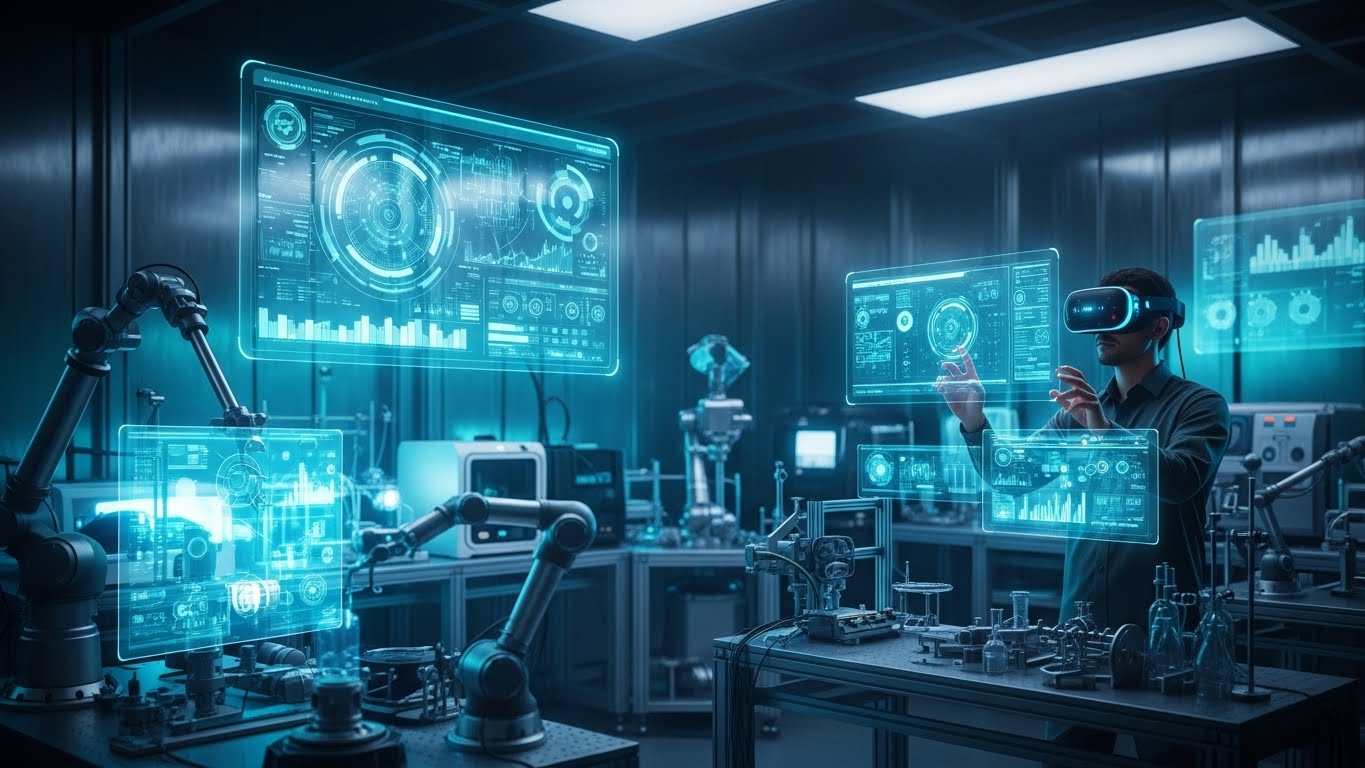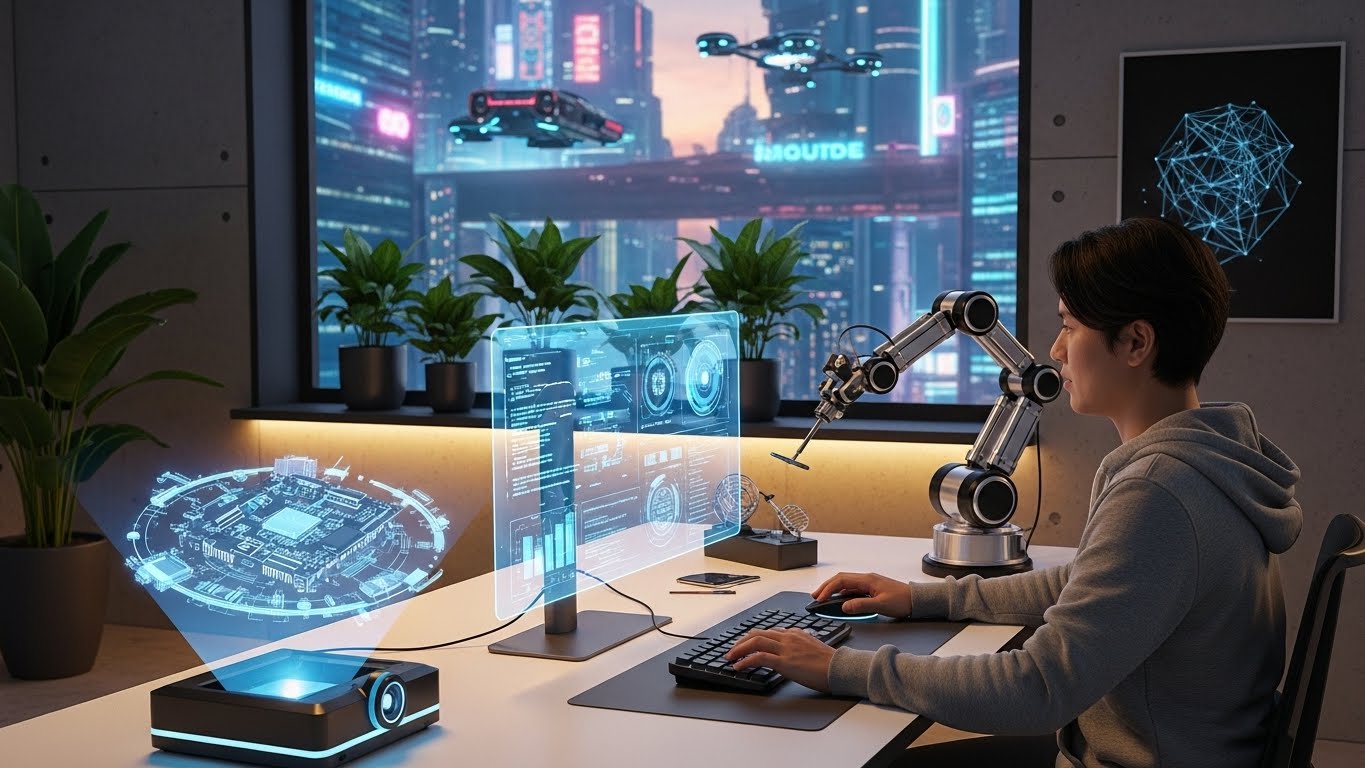
Technology has become the backbone of modern society, transforming the way we live, work, and interact. From communication to healthcare, education to entertainment, technology influences almost every aspect of daily life. Its rapid evolution continues to redefine boundaries, offering unprecedented opportunities while also presenting new challenges. In this blog, we explore the impact of technology, its historical development, innovations that are reshaping industries, and what the future might hold.
The Evolution of Technology
Technology has been an integral part of human progress for centuries. From the invention of the wheel to the development of printing presses, each advancement has fundamentally altered society. The Industrial Revolution marked a significant leap, introducing machinery, transportation innovations, and mass production, which changed the way people lived and worked.
In the 20th century, the rise of computers, the internet, and mobile devices propelled society into the digital age. These technologies transformed communication, commerce, education, and entertainment. Today, we are witnessing an era defined by artificial intelligence, cloud computing, virtual reality, and advanced robotics, all reshaping the world at an unprecedented pace.
Technology in Communication
One of the most profound impacts of technology has been on communication. The evolution from telegraphs to telephones, and then to the internet and mobile devices, has made instant global communication possible. Social media platforms, messaging apps, and video conferencing tools have revolutionized the way we connect with others.
Businesses and individuals alike benefit from faster, more efficient communication. Remote work, virtual collaboration, and online education have become feasible due to technological advancements. However, while technology has made communication easier, it also raises concerns about digital privacy, misinformation, and overreliance on virtual interactions.
Technology in Healthcare
Healthcare has been significantly transformed by technological innovations. Advanced imaging systems, robotic surgery, and telemedicine have enhanced the diagnosis, treatment, and management of diseases. Electronic health records allow for seamless access to patient information, improving care coordination and efficiency.
Artificial intelligence and machine learning are increasingly used to predict disease outbreaks, personalize treatment plans, and assist in medical research. Wearable devices monitor vital signs, helping individuals manage chronic conditions and maintain overall wellness. Technology has not only improved patient outcomes but also made healthcare more accessible, especially in remote areas.
Technology in Education
Education has undergone a major transformation thanks to technology. Online learning platforms, interactive tools, and digital classrooms have changed the way students acquire knowledge. E-learning allows access to educational resources anytime and anywhere, breaking geographical and socioeconomic barriers.
Virtual reality and augmented reality offer immersive learning experiences, enabling students to explore complex concepts in science, history, and engineering in engaging ways. Artificial intelligence-driven platforms provide personalized learning, helping students learn at their own pace and style. Technology in education is shaping a future where learning is more inclusive, interactive, and adaptive.
Technology in Business and Industry
Businesses and industries have been revolutionized by technological advancements. Automation, data analytics, and artificial intelligence streamline operations, reduce costs, and improve decision-making. Companies can analyze customer behavior, optimize supply chains, and create more targeted marketing strategies.
E-commerce platforms and digital payment systems have transformed retail, allowing businesses to reach global markets. Robotics and advanced manufacturing technologies improve production efficiency while reducing human error. Technology has become a critical driver of economic growth and competitiveness, enabling businesses to innovate and adapt in an ever-changing environment.
Technology in Entertainment
The entertainment industry has been reshaped by technology in numerous ways. Streaming services, digital content platforms, and high-quality home entertainment systems have transformed how people consume media. Virtual reality and augmented reality create immersive experiences in gaming, films, and live events.
Social media platforms allow artists, creators, and influencers to reach audiences directly, bypassing traditional distribution channels. Technology has democratized content creation, giving rise to new forms of entertainment and expanding opportunities for creative expression. These advancements have also changed consumer expectations, driving innovation in media production and delivery.
Artificial Intelligence and Machine Learning
Artificial intelligence (AI) and machine learning are at the forefront of technological innovation. AI systems can analyze massive datasets, identify patterns, and make predictions with remarkable accuracy. Applications span healthcare, finance, education, autonomous vehicles, and more.
Machine learning enables systems to continuously improve performance by learning from data. Voice assistants, recommendation engines, and predictive analytics are just a few examples of AI impacting daily life. While AI offers incredible potential, it also raises ethical considerations, including privacy, job displacement, and decision-making transparency.
The Role of Robotics and Automation
Robotics and automation have revolutionized industries by performing tasks with precision, speed, and efficiency. In manufacturing, robots assemble products, manage logistics, and handle hazardous tasks, reducing risks and improving productivity. In healthcare, robotic surgery allows for minimally invasive procedures, improving recovery times and outcomes.
Automation in agriculture, logistics, and services enhances efficiency while reducing human error. However, the increasing reliance on machines also raises questions about employment, skill requirements, and the balance between human labor and technology-driven processes.
Cybersecurity and Digital Safety
As technology becomes more integrated into daily life, cybersecurity has become a critical concern. Data breaches, cyberattacks, and identity theft threaten individuals, businesses, and governments. Ensuring digital safety requires advanced security measures, including encryption, multi-factor authentication, and continuous monitoring.
Cybersecurity is not only about technology but also about awareness and behavior. Users must practice safe online habits, and organizations need robust protocols to protect sensitive information. As technology evolves, so do cyber threats, making continuous innovation and vigilance essential.
Emerging Technologies Shaping the Future
Emerging technologies are redefining the possibilities of what humans can achieve. Virtual reality and augmented reality are creating immersive experiences for education, training, entertainment, and healthcare. Blockchain technology is revolutionizing finance, supply chain management, and digital identity verification.
Quantum computing promises to solve complex problems that are currently impossible for classical computers, with potential applications in medicine, climate modeling, and cryptography. 5G networks are enabling faster connectivity, smarter cities, and real-time communication, enhancing both personal and industrial applications.
Technology and Society
Technology influences not only individual lives but also societal structures. Smart cities, digital governance, and connected infrastructure improve efficiency, sustainability, and quality of life. Technology fosters global communication, cultural exchange, and access to information, empowering communities worldwide.
However, the rapid pace of technological change also presents challenges. Issues such as digital inequality, environmental impact, ethical dilemmas, and overreliance on machines require careful consideration. Societies must balance innovation with responsibility to ensure technology serves humanity positively.
The Future of Technology
The future of technology promises continued innovation and transformation. Artificial intelligence, robotics, quantum computing, biotechnology, and advanced connectivity will redefine industries, lifestyles, and global interactions. The integration of technology into daily life will create new opportunities for learning, work, entertainment, and social engagement.
Ethical frameworks, sustainable development, and inclusive innovation will be essential to harness the benefits of technology while mitigating risks. As technology evolves, its potential to improve quality of life, solve complex challenges, and connect humanity will continue to grow.
Conclusion: Technology as a Force for Transformation
Technology is more than tools and devices; it is a force that shapes society, drives progress, and redefines human potential. From communication and education to healthcare and entertainment, technology influences every aspect of life. It offers opportunities for growth, innovation, and global connection while also posing challenges that require careful management.
The journey of technology is ongoing, marked by creativity, exploration, and discovery. By embracing innovation responsibly, society can leverage technology to improve lives, solve pressing problems, and create a more connected, sustainable, and prosperous future. Technology is not just a part of our world—it is shaping the very way we live, work, and envision tomorrow.