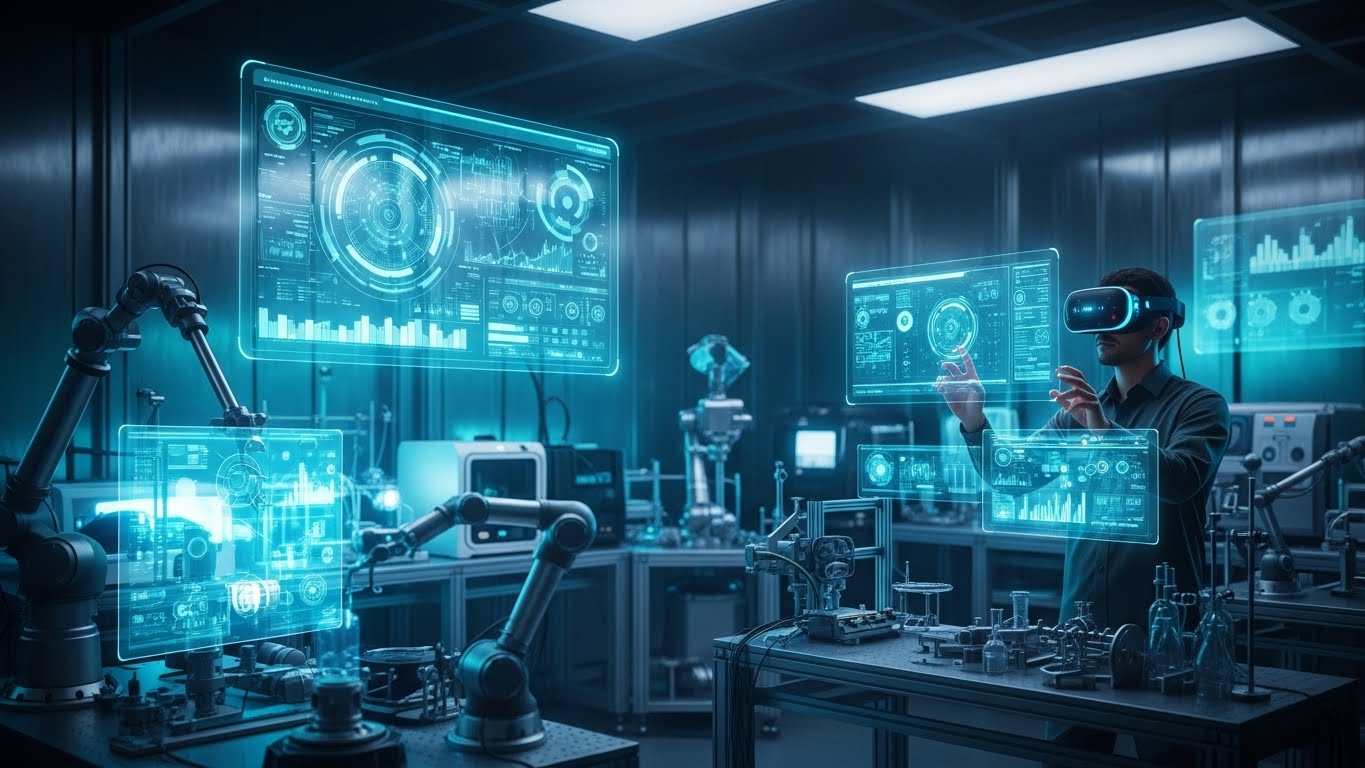

Introduction: Technology Beyond Screens and Devices
Technology is often associated with glowing screens, powerful gadgets, and fast internet connections. Yet its true influence runs much deeper than the devices we hold in our hands. Technology has become an invisible engine that shapes how we think, work, communicate, and imagine the future. From the way cities function to how individuals build relationships, technology has woven itself into the fabric of everyday life. Understanding its impact requires looking beyond innovation headlines and exploring how it quietly transforms human behavior and society.
The Evolution of Technology From Tools to Intelligence
Human progress has always been tied to tools. Early technology began with simple inventions like fire, wheels, and farming tools. These innovations extended human capability and made survival easier. Over centuries, technology evolved into machines, electricity, and communication systems. Today, technology has entered an era of intelligence, where machines not only perform tasks but also analyze data, learn patterns, and make decisions. This evolution marks a shift from tools that assist humans to systems that collaborate with them.
Technology and the Transformation of Daily Life
Modern technology has redefined daily routines. Tasks that once required hours now take minutes. Shopping, banking, learning, and entertainment have become accessible from anywhere. Smart devices manage homes, schedule reminders, and track health. While convenience is a major benefit, it has also changed expectations. People now value speed and efficiency, sometimes at the cost of patience and reflection. Technology has reshaped time itself, making life faster and more interconnected.
Communication in the Digital Age
Communication has undergone one of the most dramatic transformations through technology. Messages that once took days to deliver now reach recipients instantly. Video calls connect people across continents, reducing the sense of distance. Social platforms allow voices to be heard globally, empowering individuals and communities. However, digital communication also brings challenges such as reduced face to face interaction and information overload. The balance between connection and meaningful communication remains an ongoing challenge.
Technology and the Modern Workplace
The workplace has been reshaped by technology in profound ways. Automation handles repetitive tasks, allowing humans to focus on creativity and strategy. Remote work has become possible, breaking geographical barriers and redefining office culture. Digital tools improve collaboration and productivity, but they also blur the boundaries between work and personal life. The modern worker must adapt continuously, learning new skills to remain relevant in a technology driven economy.
Artificial Intelligence and Human Decision Making
Artificial intelligence is no longer a futuristic concept. It is embedded in recommendation systems, virtual assistants, and data analysis tools. AI helps businesses predict trends, doctors diagnose conditions, and educators personalize learning. While these advancements increase efficiency, they raise important questions about trust and responsibility. Human oversight remains essential to ensure that technology serves ethical and social values rather than replacing human judgment entirely.
Technology in Education and Knowledge Sharing
Education has been transformed by digital technology. Learning is no longer confined to classrooms or textbooks. Online platforms provide access to vast knowledge resources, allowing learners to study at their own pace. Interactive tools enhance engagement and understanding. Technology has also democratized education, reaching learners who previously lacked access. However, the digital divide highlights inequalities that must be addressed to ensure equal opportunities for all.
The Role of Technology in Healthcare
Healthcare has seen remarkable advancements through technology. Medical imaging, data analysis, and wearable devices have improved diagnosis and treatment. Patients can monitor health indicators and consult professionals remotely. Technology enhances efficiency and accuracy, saving lives and resources. At the same time, protecting patient data and maintaining human compassion in care remain critical priorities. Technology should support healthcare professionals, not replace the human connection that healing requires.
Data as the New Foundation of Innovation
Data has become a central element of modern technology. Every interaction generates information that can be analyzed to improve services and predict behavior. Businesses rely on data to understand customers, governments use it to plan infrastructure, and researchers use it to solve complex problems. While data driven innovation offers powerful insights, it also raises concerns about privacy and control. Responsible data use is essential to maintain trust and fairness.
Ethical Challenges in a Digital World
As technology advances, ethical considerations become increasingly important. Issues such as surveillance, digital addiction, and algorithmic bias demand careful attention. Technology reflects the values of its creators, making inclusivity and transparency vital. Ethical frameworks help ensure that innovation benefits society rather than harming it. The challenge lies in aligning rapid technological progress with human values and long term well being.
Technology and Human Creativity
Contrary to fears that technology limits creativity, it often expands it. Digital tools allow artists, writers, and designers to experiment with new forms of expression. Music production, visual arts, and storytelling have evolved through technology. Collaboration across cultures and disciplines has become easier, leading to innovative ideas. Technology acts as a canvas that amplifies human imagination rather than replacing it.
The Psychological Impact of Constant Connectivity
Constant connectivity has reshaped how people think and feel. Notifications demand attention, and digital platforms compete for focus. While connectivity offers convenience, it can also contribute to stress and distraction. Mindful technology use has become essential for mental health. Learning when to disconnect is as important as knowing how to connect. Technology should enhance life, not overwhelm it.
Technology and the Future of Society
The future of society will be deeply influenced by how technology is developed and used. Smart cities promise efficient transportation and energy management. Advances in science and engineering could address global challenges such as climate change and resource scarcity. However, the future also depends on responsible decision making. Education, regulation, and ethical leadership will determine whether technology becomes a tool for progress or division.
Human Responsibility in a Technological Era
Technology itself is neutral. Its impact depends on human choices. Innovation should be guided by empathy, responsibility, and foresight. Teaching digital literacy and critical thinking empowers individuals to use technology wisely. Society must encourage innovation while protecting human dignity and freedom. The goal is not to slow progress but to shape it thoughtfully.
Conclusion: Technology as a Reflection of Humanity
Technology is more than machines and software. It is a reflection of human ambition, creativity, and values. Every invention carries the intentions of its creators and the responsibility of its users. As technology continues to evolve, its true success will be measured not by speed or power but by its ability to improve lives meaningfully. When guided by wisdom and ethics, technology becomes not just a tool, but a partner in building a better future for humanity.