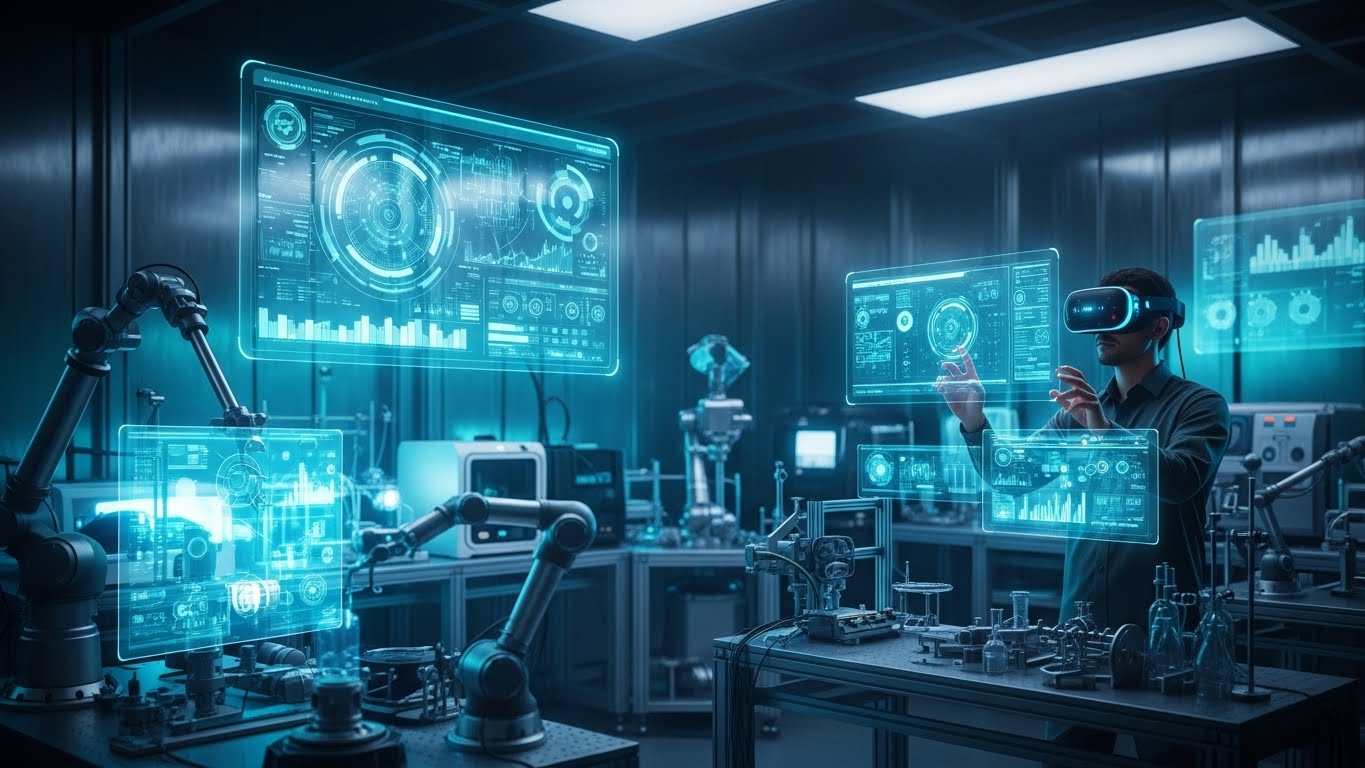

Introduction: The Pervasive Influence of Technology
Technology has become an inseparable part of modern life, influencing the way we communicate, work, learn, and entertain ourselves. From the invention of the wheel to artificial intelligence, technological innovation has continually reshaped human society. In today’s digital era, breakthroughs in computing, robotics, communication, and biotechnology are not only transforming industries but also redefining everyday experiences.
This blog explores the evolution of technology, its impact on society, emerging trends, and the potential future transformations that could redefine how we live, work, and interact. Technology is no longer just a tool—it is a driving force shaping culture, economy, and human potential.
The Evolution of Technology: A Brief Overview
Human progress has always been closely tied to technological advancements. Early tools like fire, the wheel, and agricultural innovations enabled humans to thrive. The Industrial Revolution marked a turning point, introducing mechanization, steam engines, and mass production. These innovations not only transformed economies but also altered the social fabric, shaping urban life and global trade.
The 20th century witnessed the rise of electronics, computers, and telecommunications. The advent of the internet in the 1990s created a global network that revolutionized communication, commerce, and access to information. Mobile technology, cloud computing, and digital platforms further accelerated this transformation, bringing computing power and connectivity to billions worldwide.
The Role of Computing and Artificial Intelligence
Computing has become the backbone of modern technology. From personal computers to smartphones and data centers, computing power underpins nearly every aspect of daily life. Artificial intelligence (AI) has emerged as a transformative force, enabling machines to learn, reason, and make decisions.
AI is applied in a wide range of industries, including healthcare, finance, transportation, and entertainment. It powers recommendation systems, predictive analytics, natural language processing, and autonomous vehicles. The integration of AI with big data allows organizations to extract insights, optimize operations, and create personalized experiences for users.
Machine learning, a subset of AI, enables systems to improve performance over time without explicit programming. This capability is transforming industries and shaping a future where human and machine collaboration becomes increasingly seamless.
The Impact of Technology on Communication
Communication has been revolutionized by technology, connecting people across the globe instantaneously. Social media platforms, messaging applications, and video conferencing tools have transformed personal, professional, and social interactions.
Email, instant messaging, and collaborative platforms have redefined workplace communication, enabling remote work and global collaboration. Video calls and virtual meetings allow teams to operate across time zones, breaking down geographical barriers.
Emerging technologies such as virtual reality and augmented reality are poised to further revolutionize communication by creating immersive, interactive experiences. These technologies enable realistic simulations for training, entertainment, and social engagement, bridging physical and digital worlds.
Technology in Healthcare: Innovation and Accessibility
Technology has had a profound impact on healthcare, improving diagnosis, treatment, and accessibility. Medical imaging, robotic surgery, and telemedicine have transformed patient care, making it more precise and efficient.
Wearable devices and health monitoring apps allow individuals to track vital signs, manage chronic conditions, and maintain wellness proactively. AI-powered diagnostic tools assist doctors in identifying diseases accurately and predicting patient outcomes.
Biotechnology, genetic engineering, and personalized medicine are pushing the boundaries of treatment, enabling therapies tailored to individual patients. Technology has not only enhanced medical capabilities but also expanded access to healthcare, particularly in remote and underserved regions.
Technology and Education: Learning in the Digital Age
Education has been significantly influenced by technology, making learning more interactive, personalized, and accessible. Online courses, digital textbooks, and virtual classrooms allow students to access knowledge from anywhere in the world.
Artificial intelligence and adaptive learning systems provide personalized educational experiences, adjusting content and pace according to individual learners’ needs. Gamification and interactive simulations make learning engaging and practical, bridging theory and real-world application.
Virtual reality enables immersive educational experiences, from historical reconstructions to scientific simulations. Technology is democratizing education, empowering students and educators to overcome traditional barriers and explore innovative methods of learning.
The Role of Technology in Entertainment
Entertainment has been transformed by digital innovation. Streaming platforms, video games, virtual reality experiences, and social media content have reshaped how people consume media.
Video games, augmented reality, and immersive simulations engage users actively, combining creativity, skill, and interactive storytelling. Music and film industries utilize digital tools for production, distribution, and audience engagement, reaching global audiences instantly.
Technology also enables new forms of entertainment, such as live-streaming, virtual concerts, and esports. These developments create participatory experiences, turning passive consumers into active participants and fostering global communities around shared interests.
Technology and the Economy: Driving Growth and Innovation
Technology is a central driver of economic growth, innovation, and global trade. Automation, data analytics, and digital platforms enhance productivity, reduce costs, and create new business models. E-commerce, fintech, and digital marketplaces have transformed the way goods and services are bought and sold, enabling businesses to reach customers worldwide.
Startups and tech companies are leading innovation, introducing disruptive solutions that challenge traditional industries. Emerging technologies such as blockchain, the Internet of Things, and cloud computing continue to create new economic opportunities and reshape existing markets.
Technology also drives employment in new sectors, including software development, cybersecurity, data science, and digital content creation. It challenges traditional job structures while providing opportunities for skill development and career growth.
Cybersecurity: Protecting the Digital World
As reliance on technology grows, so does the importance of cybersecurity. Protecting data, systems, and digital infrastructure is critical for individuals, businesses, and governments. Cyber threats, including hacking, identity theft, and ransomware attacks, pose significant risks to privacy and security.
Advanced encryption, multi-factor authentication, and AI-driven threat detection systems are crucial in safeguarding digital assets. Cybersecurity education and awareness are essential for users to navigate the digital world safely.
The ongoing evolution of technology makes cybersecurity a dynamic and essential field, ensuring that digital progress remains safe and sustainable.
Emerging Technologies and the Future
The pace of technological innovation shows no signs of slowing. Emerging technologies such as quantum computing, augmented reality, autonomous systems, and renewable energy solutions are poised to transform society further.
Quantum computing promises unprecedented processing power, enabling breakthroughs in research, optimization, and data analysis. Augmented reality and virtual reality will revolutionize communication, education, and entertainment by creating immersive, interactive experiences. Autonomous vehicles, drones, and smart cities will reshape urban living, transportation, and logistics.
Sustainable technologies, including clean energy, waste management, and green manufacturing, will address global challenges while leveraging digital innovation. The future of technology lies in integrating intelligence, sustainability, and human-centric design to create a better world.
Ethics and Responsibility in Technology
As technology advances, ethical considerations become increasingly important. Issues such as data privacy, AI decision-making, digital addiction, and environmental impact require careful regulation and oversight.
Developers, policymakers, and users share responsibility for ensuring technology serves humanity positively. Transparency, accountability, and ethical design are essential to avoid misuse, bias, or unintended consequences. Ethical technology balances innovation with social responsibility, creating solutions that enhance human life without compromising values or well-being.
Conclusion: Technology as a Transformative Force
Technology has transformed the way humans live, work, communicate, and entertain themselves. From AI and virtual reality to biotechnology and digital communication, innovation continuously reshapes society, creating new opportunities and challenges.
Its impact spans every aspect of life, including education, healthcare, entertainment, economy, and social interaction. As technology evolves, it will continue to influence culture, human behavior, and global progress.
The future of technology promises immersive experiences, sustainable solutions, and intelligent systems that work alongside humans. By embracing innovation responsibly, society can harness technology to enhance creativity, connectivity, and human potential. Technology is not just a tool—it is a transformative force shaping the present and future of civilization.