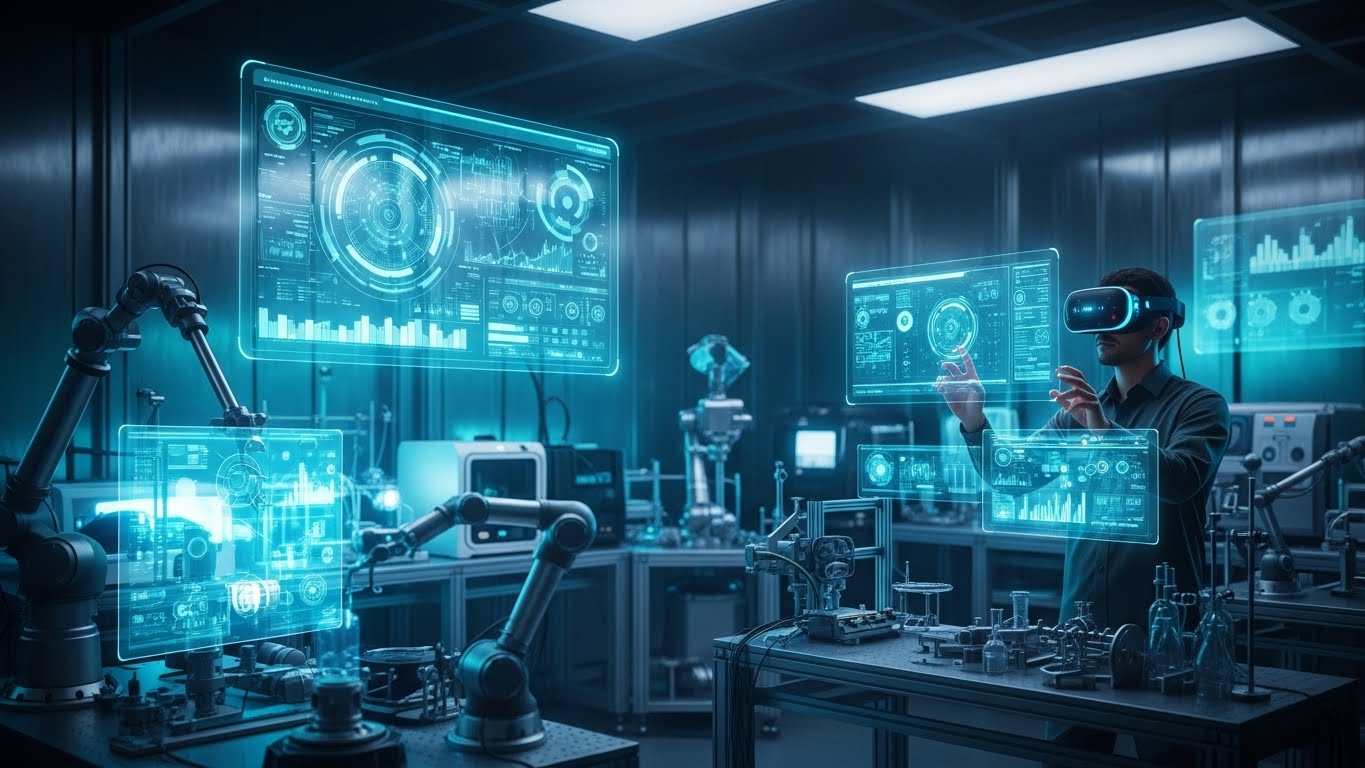
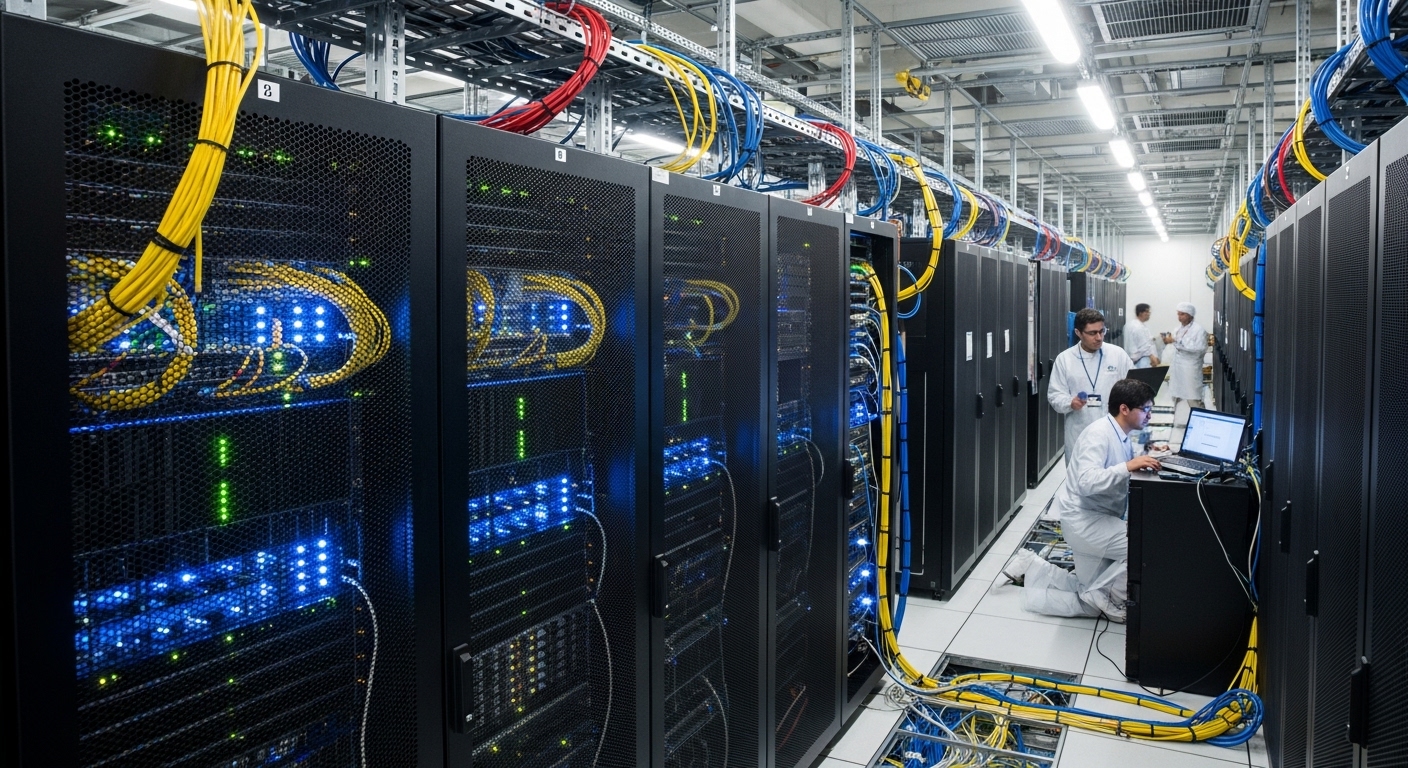
Introduction: Technology as a Driving Force
Technology has become the defining force of modern civilization. From the smartphones in our pockets to the artificial intelligence that powers industries, technology is reshaping the way we live, work, and interact. What once seemed like science fiction is now an everyday reality. The rapid pace of innovation has created new opportunities, transformed industries, and altered human behavior in unprecedented ways.
Today, technology is not just a tool but a driver of societal progress. It influences how we communicate, learn, and entertain ourselves, while also posing complex ethical, social, and environmental questions. Understanding the impact of technology requires examining both its potential and its challenges.
The Evolution of Technology
The story of technology spans centuries, from the invention of the wheel to modern quantum computing. The Industrial Revolution marked a turning point, introducing mechanization, mass production, and new forms of communication. These innovations transformed economies and lifestyles, laying the groundwork for the digital era.
The 20th century introduced electricity, telecommunication, and computing, which expanded the possibilities of human achievement. Early computers, once room-sized machines, evolved into personal devices that connected people across the globe. The internet revolutionized communication, commerce, and entertainment, creating a connected world where information flows instantly.
Today, we live in an era of rapid technological evolution, characterized by artificial intelligence, cloud computing, the Internet of Things, and advanced robotics. These developments are not only changing how we work and play but also how we understand ourselves and our potential.
Artificial Intelligence: A Revolution in Intelligence
Artificial intelligence (AI) is transforming every industry it touches. AI allows machines to learn, analyze, and make decisions, mimicking human intelligence in ways that enhance productivity and innovation. From healthcare to finance, AI is creating efficiencies and unlocking new possibilities.
In healthcare, AI assists in diagnosing diseases, predicting patient outcomes, and even developing treatments. In business, AI improves customer service, enhances decision-making through predictive analytics, and streamlines operations. Autonomous vehicles, powered by AI, are redefining transportation, promising increased safety and efficiency.
Despite its benefits, AI raises ethical and societal concerns. Issues like algorithmic bias, privacy, and job displacement must be addressed to ensure that AI contributes positively to society. The future of AI will rely not only on technological advancement but also on responsible implementation.
The Internet of Things: Connecting the World
The Internet of Things (IoT) represents a world where devices communicate and share data seamlessly. From smart homes to industrial sensors, IoT enables efficiency, convenience, and enhanced decision-making.
In households, IoT devices control lighting, temperature, and security systems, while wearable technology monitors health metrics and fitness. In industries, IoT optimizes production, reduces energy consumption, and improves operational efficiency.
However, IoT raises concerns about data privacy and cybersecurity. With billions of connected devices, protecting sensitive information is crucial. Despite these challenges, IoT continues to expand, transforming the way humans interact with technology and the environment.
Cloud Computing: Powering the Digital Economy
Cloud computing has redefined how businesses and individuals access and store data. By hosting applications and data on remote servers, cloud computing offers flexibility, scalability, and cost-efficiency.
Businesses rely on cloud services to manage operations, collaborate globally, and analyze large datasets. Cloud computing enables remote work, online education, and digital communication, making it an essential component of the modern economy.
Individuals also benefit from cloud technology through services like storage, streaming, and collaborative tools. Cloud computing supports innovation by providing the infrastructure necessary for startups, research, and large-scale digital projects.
Blockchain Technology: Redefining Trust
Blockchain technology, widely known as the foundation for cryptocurrencies, is transforming security and transparency. By creating decentralized and immutable ledgers, blockchain ensures that transactions are secure, verifiable, and tamper-proof.
Beyond finance, blockchain applications extend to supply chain management, healthcare, and voting systems. It enhances accountability, reduces fraud, and provides transparency in areas where trust is critical.
The broader challenge of blockchain lies in regulation and integration with existing systems. Still, its potential to revolutionize digital security and redefine trust in a connected world is undeniable.
5G Connectivity: Unlocking New Potential
The rollout of 5G technology represents a new era of connectivity. With faster speeds, lower latency, and increased network capacity, 5G is enabling applications that were previously impractical.
5G technology supports autonomous vehicles, remote healthcare, smart cities, and high-definition streaming. It also enhances IoT devices, creating an interconnected ecosystem where data flows instantly and reliably.
While the deployment of 5G faces infrastructure and regulatory challenges, its impact on innovation, communication, and global connectivity is profound, marking a pivotal step in the evolution of the digital world.
Virtual Reality and Augmented Reality: Immersive Experiences
Virtual reality (VR) and augmented reality (AR) are transforming human experiences by blending digital and physical worlds. VR immerses users in fully digital environments, while AR overlays information and digital elements onto real-world settings.
In education, VR offers immersive simulations, virtual classrooms, and interactive learning experiences. AR enhances healthcare by providing surgeons with real-time visual information during procedures. Retail and entertainment industries also benefit, enabling consumers to interact with products and content in innovative ways.
As VR and AR technology becomes more accessible, these tools will increasingly reshape communication, learning, and entertainment, providing rich, interactive experiences that bridge digital and physical realities.
Sustainable Technology: Innovation for the Environment
As technological innovation accelerates, sustainability has become a key focus. Renewable energy, energy-efficient computing, and eco-friendly manufacturing are reshaping how technology impacts the environment.
Smart grids powered by AI optimize energy distribution, while electric vehicles reduce reliance on fossil fuels. Data centers are adopting greener practices, including renewable energy and advanced cooling systems. Sustainable technology not only mitigates environmental impact but also promotes long-term economic efficiency.
Innovation with sustainability in mind ensures that technology benefits both humanity and the planet, highlighting the importance of responsible development and deployment.
Technology in Everyday Life
Technology is deeply embedded in daily life. Smartphones provide communication, entertainment, productivity, and access to information in a single device. Online banking, digital payments, and smart assistants simplify tasks and enhance convenience.
Digital communication platforms have transformed social interactions, enabling global connectivity and virtual communities. Remote work, telemedicine, and online education demonstrate how technology improves accessibility, flexibility, and convenience.
However, over-reliance on technology can create challenges, including mental health issues, privacy concerns, and digital fatigue. Mindful usage is essential to harness the benefits of technology while mitigating its negative effects.
Challenges and Ethical Considerations
Rapid technological advancement brings challenges and responsibilities. Data privacy, cybersecurity, and equitable access remain major concerns. Ethical deployment of AI, responsible use of digital platforms, and minimizing environmental impact are critical to sustainable progress.
The digital divide highlights disparities in access to technology, both globally and within societies. Bridging this divide ensures inclusive growth, enabling all communities to benefit from innovation. Ethical foresight, regulation, and responsible innovation are key to balancing technological progress with societal welfare.
The Future of Technology
The future promises unprecedented technological possibilities. Quantum computing, advanced robotics, AI-driven automation, biotechnology, and space exploration are poised to redefine human capabilities. Smart cities, human-computer integration, and immersive digital experiences may become the norm.
Adaptability, creativity, and ethical responsibility will determine how society leverages technology for positive outcomes. Innovation must be balanced with sustainability, inclusivity, and safety to ensure that future advancements enhance human well-being and societal progress.
Conclusion: Embracing the Technological Era
Technology is more than a collection of tools—it is a transformative force shaping every aspect of life. From AI and IoT to VR, blockchain, and sustainable innovations, technology is redefining possibilities, creating opportunities, and presenting new challenges.
The journey of technology is ongoing, driven by curiosity, creativity, and human ambition. Embracing technological innovation while prioritizing ethics, sustainability, and inclusivity will shape a future where human ingenuity and digital advancement work hand in hand.
The world we live in today is just the beginning. With responsible innovation and mindful adoption, technology promises a future full of potential, connection, and progress.