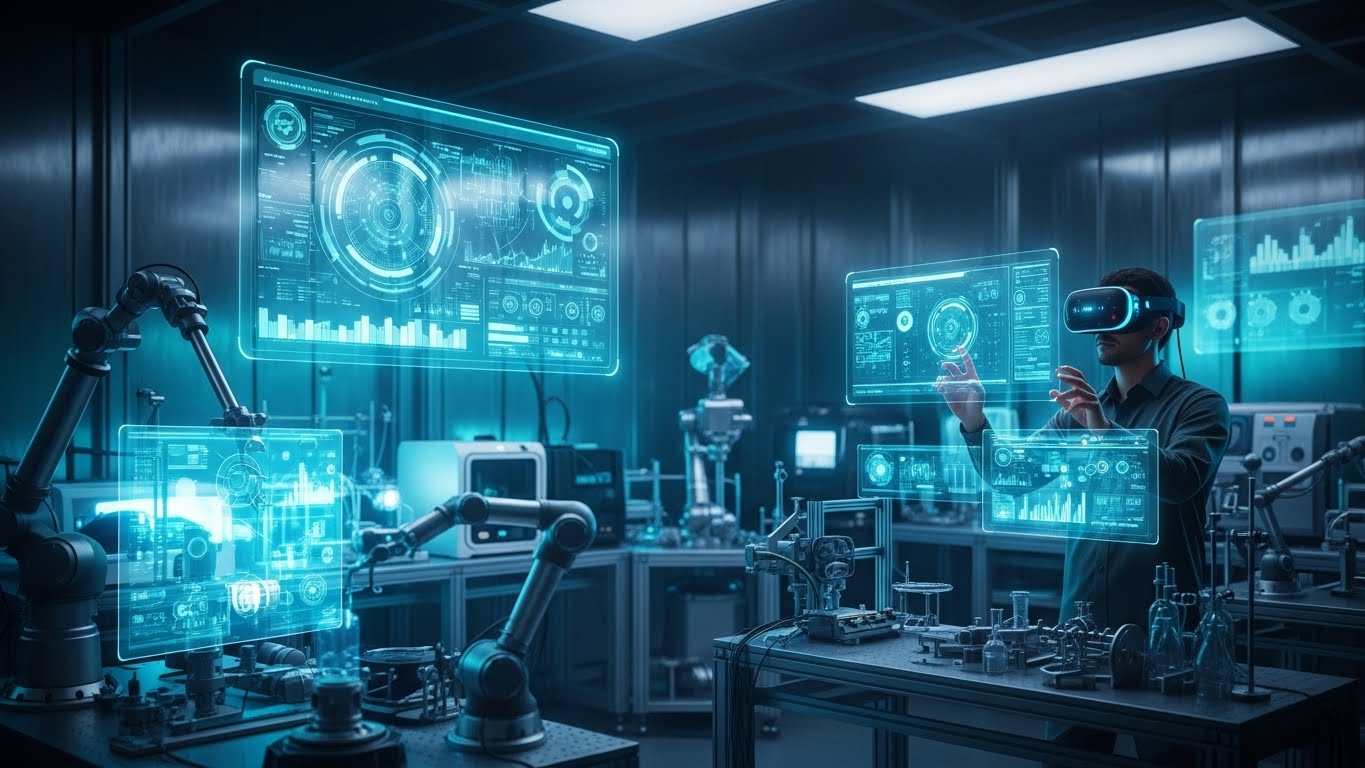

Technology has become the driving force behind modern society. From communication and transportation to healthcare and entertainment, technological innovation shapes every aspect of our lives. What once seemed like science fiction is now an everyday reality, and the pace of change continues to accelerate. Technology not only enhances convenience and productivity but also influences culture, economy, and even the way we think and interact with the world.
The Evolution of Technology
The journey of technology dates back thousands of years, from the invention of the wheel to the development of agriculture, printing, and industrial machinery. Each innovation reshaped human society, enabling progress and expanding possibilities.
The 20th century marked a technological revolution, with the advent of computers, the internet, and mobile devices transforming communication, commerce, and entertainment. Today, emerging technologies like artificial intelligence, robotics, and quantum computing are driving the next wave of innovation, offering unprecedented capabilities and challenges.
Technology and Communication
Communication technology has been one of the most transformative forces in human history. Telephones, radios, and televisions revolutionized the way information was shared, connecting people across cities and countries. The internet and smartphones took this connectivity to an entirely new level, enabling instant communication and access to global knowledge.
Social media platforms, messaging apps, and video conferencing tools have reshaped personal and professional interactions. Businesses can collaborate across continents, families can stay connected, and communities can mobilize for social causes—all thanks to advancements in communication technology.
Technology in Healthcare
Healthcare has been profoundly transformed by technology. Medical imaging, robotic surgery, and telemedicine have improved diagnosis, treatment, and accessibility. Wearable devices and health monitoring apps allow individuals to track their fitness and manage chronic conditions in real time.
Artificial intelligence and machine learning are being used to analyze medical data, predict outbreaks, and personalize treatment plans. Biotechnology innovations, including gene editing and regenerative medicine, hold the promise of curing previously untreatable diseases. Technology has not only enhanced healthcare efficiency but also expanded life expectancy and quality of life worldwide.
Technology and Education
Education has been revolutionized by technology. Digital classrooms, e-learning platforms, and online resources allow students to access knowledge from anywhere in the world. Interactive tools, simulations, and gamified learning make education more engaging and effective.
Artificial intelligence enables personalized learning experiences, adapting to the needs and pace of each student. Virtual reality and augmented reality provide immersive experiences, allowing learners to explore complex concepts in science, history, and engineering. Technology empowers lifelong learning, bridging gaps in access and quality across regions.
Technology in Business and Economy
The business landscape has been transformed by technology. Automation, data analytics, and digital platforms optimize operations, reduce costs, and improve decision-making. E-commerce has reshaped retail, enabling global reach and convenience for consumers and entrepreneurs alike.
Artificial intelligence and predictive analytics help companies anticipate market trends, understand customer behavior, and develop innovative products. Digital marketing, cloud computing, and fintech solutions have created entirely new business models, boosting economic growth and fostering innovation. Technology has made business faster, smarter, and more accessible than ever before.
Technology and Transportation
Transportation has evolved significantly due to technology. Electric vehicles, high-speed trains, and autonomous cars are transforming mobility, reducing carbon emissions, and enhancing safety. GPS systems, ride-sharing apps, and traffic management technologies improve efficiency and convenience for commuters worldwide.
Aviation and space technology have opened new frontiers for exploration and trade. Drones, hyperloop concepts, and urban air mobility are redefining the possibilities of transportation, promising faster, safer, and more sustainable travel in the near future.
Technology in Entertainment
Technology has transformed entertainment, creating new forms of storytelling, gaming, and interaction. Streaming platforms, digital cinema, and virtual reality offer immersive experiences that were unimaginable decades ago. Music production, animation, and live events leverage digital tools for creativity and accessibility.
Gaming technology, in particular, has evolved into a global industry, with esports, augmented reality, and interactive platforms redefining engagement. Social media and content creation platforms empower individuals to become creators, further expanding the reach and diversity of entertainment. Technology has not only enhanced entertainment experiences but also democratized content creation and distribution.
Artificial Intelligence and Machine Learning
Artificial intelligence (AI) and machine learning (ML) are among the most transformative technologies today. AI algorithms can analyze vast amounts of data, recognize patterns, and make decisions, automating tasks that once required human intelligence. ML allows systems to improve performance over time, enabling applications in healthcare, finance, education, and more.
AI-powered virtual assistants, recommendation systems, and autonomous vehicles are already part of daily life. In the future, AI may revolutionize scientific research, creativity, and problem-solving on a scale that is difficult to fully imagine today. While AI offers immense potential, it also raises ethical questions about privacy, security, and the future of work.
Technology and Sustainability
Technology plays a critical role in addressing environmental challenges. Renewable energy innovations, smart grids, and energy-efficient systems are helping reduce carbon footprints and combat climate change. Precision agriculture, water management systems, and environmental monitoring technologies support sustainable resource management.
Emerging technologies like carbon capture, battery storage, and clean transportation solutions offer promising avenues for building a sustainable future. Technology enables both innovation and awareness, allowing society to tackle pressing environmental issues effectively.
The Social Impact of Technology
Technology has reshaped society, influencing culture, communication, and social norms. Social media, mobile connectivity, and digital platforms have transformed the way people interact, share ideas, and mobilize communities. Technology has also played a role in raising awareness of social issues, promoting activism, and fostering global collaboration.
However, technology comes with social challenges, including digital addiction, cyberbullying, privacy concerns, and misinformation. Balancing technological progress with ethical considerations is essential for ensuring positive societal impact.
Challenges and Risks of Technology
While technology offers numerous benefits, it also presents risks and challenges. Cybersecurity threats, data breaches, and identity theft pose significant risks to individuals and organizations. The rapid pace of automation may disrupt traditional employment, requiring workforce adaptation and reskilling.
Ethical concerns surrounding AI, biotechnology, and surveillance technologies must be addressed to prevent misuse and protect human rights. Societal reliance on technology also raises questions about privacy, mental health, and the digital divide between those with and without access to advanced tools.
The Future of Technology
The future of technology promises unprecedented innovation and transformation. Emerging fields such as quantum computing, nanotechnology, and brain-computer interfaces could redefine computing, medicine, and human potential. Virtual reality and augmented reality may create entirely new experiences for work, learning, and entertainment.
Sustainable technologies and smart cities are poised to improve quality of life while addressing environmental and social challenges. Artificial intelligence will continue to evolve, potentially assisting in complex problem-solving, scientific discovery, and personalized experiences. The possibilities are limitless, but responsible development and ethical use will be crucial in shaping a future that benefits all of humanity.
Conclusion
Technology has become inseparable from modern life. It shapes the way we communicate, work, learn, travel, and entertain ourselves. From healthcare and education to business and sustainability, technological advancements have enhanced productivity, accessibility, and quality of life worldwide.
The rapid pace of innovation presents both opportunities and challenges. Ethical considerations, security, and equitable access are critical to ensuring that technology benefits society as a whole. As we look ahead, the continued evolution of technology promises to unlock new possibilities, transform industries, and redefine human potential.
In essence, technology is not just a tool—it is a force that drives progress, connects the world, and opens doors to a future limited only by imagination and responsible innovation.