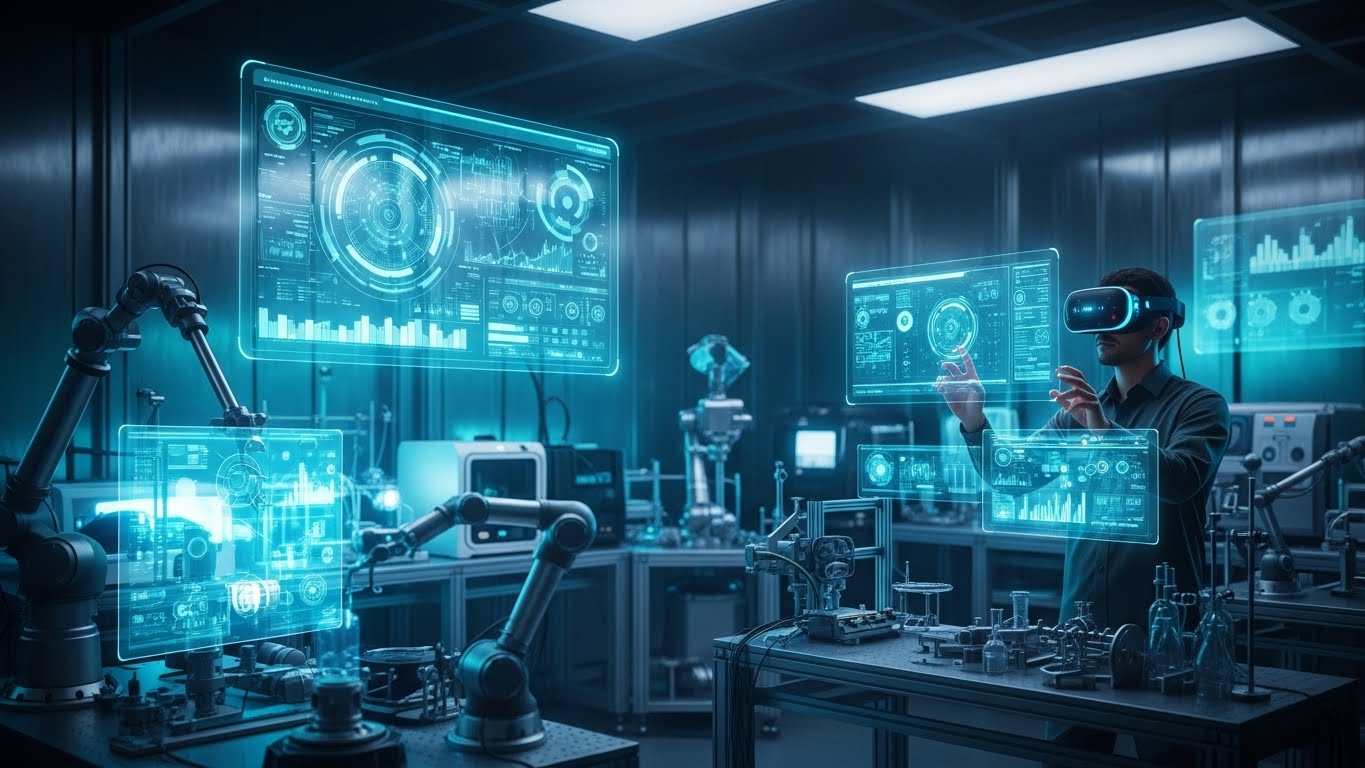

Introduction: Technology as a Driving Force
Technology has become the backbone of modern society, influencing nearly every aspect of daily life. From communication and healthcare to entertainment and business, technological innovations have transformed the way we live, work, and interact. No longer confined to laboratories or workplaces, technology is now an integral part of homes, schools, and public spaces. Its rapid evolution continues to redefine human potential, offering opportunities for efficiency, creativity, and connectivity while also presenting challenges that require thoughtful navigation.
The Evolution of Technology
The history of technology traces back to the earliest human inventions, such as tools, fire, and the wheel. These foundational innovations laid the groundwork for civilizations and progress. Over centuries, inventions like the printing press, electricity, and the steam engine revolutionized communication, transportation, and industry.
The 20th century saw breakthroughs in computing, telecommunications, and the internet, fundamentally changing how information is accessed and shared. Today, technology has reached a digital era, characterized by smart devices, artificial intelligence, cloud computing, and pervasive connectivity. This evolution highlights technology’s ability to continually transform human society and its potential for shaping the future.
Technology in Communication
Communication has undergone a profound transformation due to technology. Traditional methods, such as letters and landline phones, have been largely replaced by instant messaging, video calls, and social media platforms. These tools allow people to connect globally in real time, enhancing collaboration and fostering relationships across distances.
Businesses benefit from technological communication tools by enabling remote work, virtual meetings, and seamless global collaboration. Social media has also become a cultural force, enabling individuals to express ideas, share experiences, and engage with communities worldwide. Technology has not only sped up communication but has made it more dynamic and inclusive.
Technology in Education
Education has been significantly enhanced by technology. Digital learning platforms, interactive applications, and virtual classrooms have expanded access to education beyond traditional settings. Students can now participate in online lectures, collaborate on projects with peers worldwide, and access vast libraries of knowledge at their fingertips.
Technology also personalizes learning. Artificial intelligence can analyze student performance and recommend customized study plans, while simulation software allows practical training in fields like medicine, engineering, and aviation. By integrating technology, education becomes more engaging, effective, and adaptable to the needs of modern learners.
Technology in Healthcare
Healthcare has been revolutionized by technology, improving diagnostics, treatment, and patient care. Medical imaging, robotic surgery, telemedicine, and wearable devices have enhanced precision and accessibility. Patients can consult doctors remotely, track vital signs, and manage health conditions through mobile applications.
Artificial intelligence and data analytics play a crucial role in predicting disease outbreaks, identifying patterns, and supporting treatment decisions. Technology has transformed healthcare into a more efficient, patient-centered system, improving outcomes and increasing life expectancy globally.
Technology in Business and Industry
Business operations have been reshaped by technological innovations. Automation, robotics, and artificial intelligence streamline processes, increase productivity, and reduce human error. Cloud computing allows businesses to store, process, and analyze vast amounts of data, enabling informed decision-making and strategic planning.
E-commerce, digital marketing, and customer analytics have transformed how companies engage with consumers. Businesses that leverage technology effectively can innovate faster, scale operations efficiently, and maintain competitiveness in an increasingly digital economy. Technology drives productivity, growth, and adaptability across industries.
Technology in Transportation
Transportation systems have been revolutionized by technological advancements. Electric vehicles, autonomous cars, and smart public transit networks are enhancing efficiency, safety, and sustainability. Navigation tools, ride-sharing platforms, and traffic management systems make commuting more convenient and reduce congestion.
Technological innovation also supports infrastructure development. Smart cities use sensors, data analytics, and automated systems to monitor energy use, manage waste, and improve public safety. Technology ensures that transportation and infrastructure are not only efficient but also environmentally conscious and user-friendly.
Technology in Entertainment
Entertainment has been transformed by technology, offering immersive, interactive experiences. Streaming platforms, virtual reality, high-definition graphics, and gaming technologies provide unprecedented access to movies, music, and games. Technology allows content to be personalized and interactive, enhancing audience engagement.
Gaming has become a particularly influential sector, integrating storytelling, strategy, and creativity in digital worlds. Virtual concerts, interactive media, and social platforms demonstrate how technology enables new forms of entertainment, blurring the line between creator and audience.
Artificial Intelligence and Its Impact
Artificial intelligence (AI) represents one of the most significant technological advancements of the modern era. AI systems analyze large datasets, recognize patterns, and perform complex tasks more efficiently than humans in many cases. Applications of AI include virtual assistants, autonomous vehicles, healthcare diagnostics, finance, and predictive analytics.
AI improves productivity and innovation across industries, enhancing decision-making and creating personalized experiences. However, it also raises ethical questions regarding privacy, bias, and automation of jobs. Understanding and managing these implications is essential to ensure AI benefits society responsibly.
Technology and Environmental Sustainability
Technology plays a vital role in addressing environmental challenges. Renewable energy solutions, smart grids, and energy-efficient systems reduce reliance on fossil fuels and minimize carbon emissions. Agricultural innovations, such as precision farming and automated irrigation, enhance productivity while conserving natural resources.
Environmental monitoring systems track pollution, deforestation, and climate change, enabling better decision-making and resource management. Technology empowers humans to create sustainable solutions and build a more environmentally conscious future.
Technology and Social Transformation
Technology profoundly impacts society, influencing culture, social interactions, and global collaboration. Social media platforms, digital communities, and communication tools foster activism, awareness, and cultural exchange. Individuals can voice opinions, advocate for causes, and mobilize communities worldwide.
However, technology also introduces challenges, including misinformation, cybercrime, and digital addiction. Bridging digital divides and ensuring equitable access are crucial to maximizing the benefits of technology for society. Its transformative potential lies in its responsible and inclusive application.
Challenges and Ethical Considerations
Despite its benefits, technology presents significant challenges. Cybersecurity threats, data privacy concerns, and over-reliance on digital systems require careful management. Automation and AI may displace jobs, necessitating retraining and workforce adaptation.
Ethical considerations, such as algorithmic bias, surveillance, and digital manipulation, require regulation and public awareness. Balancing innovation with responsibility is essential to ensure that technology serves humanity rather than undermines it. Thoughtful governance, ethical standards, and education are key to navigating the digital era successfully.
The Future of Technology
The future of technology promises continued innovation and integration into daily life. Emerging fields such as quantum computing, biotechnology, blockchain, and advanced robotics will redefine industries and human capabilities. The expansion of 5G and future connectivity solutions will enable faster, more reliable access to information and services.
Future technological advancements will enhance education, healthcare, business, and entertainment. Virtual reality and augmented reality will create immersive experiences, while AI will offer greater personalization and efficiency. The challenge is to ensure that these technologies are inclusive, sustainable, and ethically managed to benefit society as a whole.
Conclusion: Embracing a Technological Future
Technology is no longer a peripheral tool; it is a transformative force shaping the present and defining the future. From communication and healthcare to education, business, and entertainment, technology touches every aspect of life. It empowers individuals, drives economic growth, and enables creative expression.
As technology evolves, responsible and inclusive adoption is essential. Balancing innovation with ethical considerations, sustainability, and equitable access ensures that technology remains a force for progress. Embracing technology thoughtfully allows society to unlock its full potential, fostering growth, creativity, and connectedness. Technology is more than a tool—it is the foundation for building a smarter, more sustainable, and interconnected future.