Introduction: Technology as a Catalyst for Change
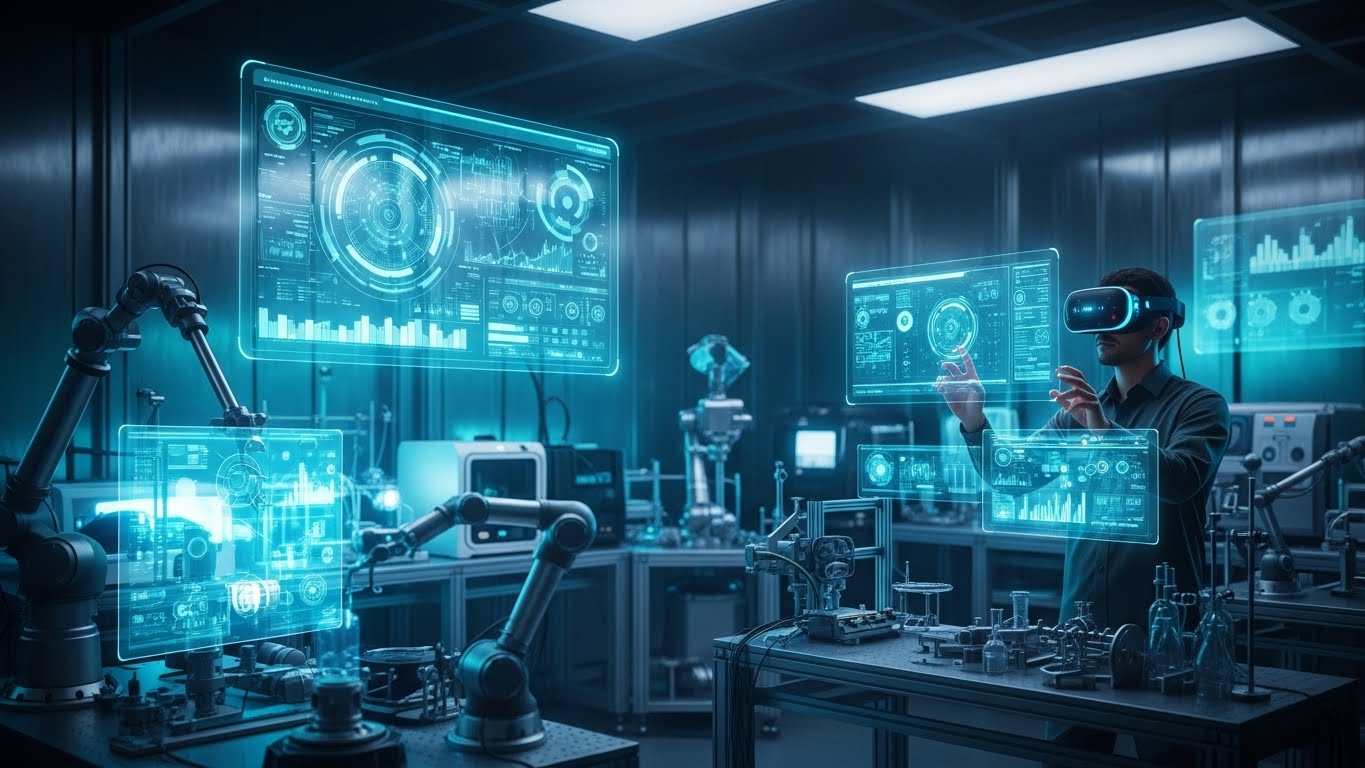
Technology has become the defining feature of the modern world. It permeates every aspect of our lives, from the way we communicate and work to how we learn and entertain ourselves. The pace of technological innovation is unprecedented, creating opportunities and challenges that were unimaginable a few decades ago. From artificial intelligence to renewable energy, technology continues to reshape society, transforming human potential and redefining the boundaries of possibility.
The Evolution of Technology
The journey of technology is a testament to human ingenuity. Early innovations, such as the printing press and the steam engine, revolutionized communication and industry. The 20th century brought computers, the internet, and mobile devices, transforming how people access information and connect globally. Today, technologies like artificial intelligence, quantum computing, and blockchain are pushing the limits of what machines and humans can achieve together. Each wave of innovation has accelerated progress, creating new industries, jobs, and ways of thinking.
Artificial Intelligence: Machines that Learn
Artificial Intelligence, or AI, is one of the most transformative technologies of our time. Unlike traditional software, AI can learn from data, recognize patterns, and make decisions independently. AI powers self-driving cars, virtual assistants, predictive analytics, and even medical diagnostics. The impact of AI extends beyond automation; it enhances human creativity, improves efficiency, and provides solutions to complex problems. As AI continues to evolve, ethical considerations and responsible implementation will be crucial to ensure it benefits society as a whole.
The Internet of Things: A Connected World
The Internet of Things (IoT) is creating a network of connected devices that communicate seamlessly with one another. Smart homes, wearable devices, and industrial sensors collect and analyze data in real time, making life more convenient and efficient. IoT applications range from monitoring personal health to optimizing supply chains and improving energy efficiency. By integrating physical devices with digital intelligence, IoT is transforming everyday experiences and enabling smarter decision-making in businesses and households alike.
Cloud Computing: Powering the Digital Era
Cloud computing has revolutionized the way data is stored, accessed, and processed. It allows businesses and individuals to leverage scalable computing resources without the need for expensive infrastructure. Cloud technology supports everything from data storage and software applications to artificial intelligence and big data analytics. By providing flexibility and cost-efficiency, cloud computing has become the backbone of modern digital services, enabling innovation and collaboration on a global scale.
Cybersecurity: Protecting the Digital World
As technology becomes increasingly integrated into daily life, cybersecurity has emerged as a critical priority. Digital threats such as data breaches, ransomware attacks, and identity theft pose significant risks to individuals, businesses, and governments. Advanced cybersecurity measures, including encryption, multi-factor authentication, and threat intelligence, are essential to safeguard sensitive information. A secure digital environment ensures that technology can be trusted and used safely for innovation, commerce, and communication.
The Transformation of Work
Technology has dramatically changed the way people work. Automation, artificial intelligence, and digital collaboration tools have redefined traditional workflows. Remote work and virtual offices allow teams to collaborate across continents in real time, breaking down geographical barriers. Emerging technologies also create new opportunities for careers in data science, cybersecurity, software development, and digital marketing. While some jobs are being automated, technology is simultaneously creating new roles that require creativity, problem-solving, and human ingenuity.
Technology in Education
Education has been profoundly impacted by technology. Online learning platforms, interactive simulations, and virtual classrooms provide students with access to knowledge anytime, anywhere. Artificial intelligence can personalize learning experiences, adapting to individual needs and learning styles. Virtual and augmented reality enable immersive educational experiences, allowing students to explore historical events, scientific concepts, and complex environments in engaging ways. Technology is making education more accessible, personalized, and effective than ever before.
Healthcare and Technology
The healthcare industry has benefited immensely from technological innovation. Medical imaging, telemedicine, wearable health monitors, and AI-assisted diagnostics have improved the accuracy and efficiency of patient care. Technology enables remote consultations, real-time monitoring, and personalized treatment plans. Biotechnological advancements, including gene editing and regenerative medicine, are opening new frontiers in disease prevention and treatment. As healthcare continues to integrate digital solutions, patient outcomes and quality of life are improving on a global scale.
Green Technology: Sustainable Innovation
Technology is also playing a pivotal role in addressing environmental challenges. Renewable energy technologies such as solar, wind, and hydroelectric power are reducing dependence on fossil fuels. Smart grids and energy-efficient systems optimize resource usage, while innovations in waste management and sustainable agriculture help protect ecosystems. Green technology demonstrates that innovation can align with sustainability, allowing societies to grow economically while minimizing environmental impact.
Transportation and Mobility
Advances in transportation technology are transforming how people and goods move around the world. Electric vehicles are reducing carbon emissions, while autonomous vehicles promise safer and more efficient travel. Hyperloop systems, drone deliveries, and smart traffic management are reshaping logistics and urban mobility. Transportation technology not only improves convenience but also contributes to environmental sustainability and urban planning, creating smarter and more connected cities.
Entertainment and Media
Technology has revolutionized entertainment and media. Streaming platforms, virtual reality, and interactive gaming provide immersive experiences that engage audiences like never before. Social media platforms have transformed communication, allowing people to connect instantly across the globe. Artificial intelligence is also enhancing content creation, from music and film production to personalized recommendations. The convergence of technology and entertainment continues to shape culture, storytelling, and social interaction.
Ethical Considerations and Responsibility
As technology advances, ethical considerations are increasingly important. Issues such as data privacy, AI bias, digital addiction, and the environmental impact of technology require careful attention. Responsible innovation involves designing technology that respects human rights, promotes inclusivity, and minimizes harm. Policymakers, businesses, and individuals all play a role in ensuring that technological progress benefits society while addressing potential risks and unintended consequences.
The Future of Technology
The future of technology promises even greater transformation. Emerging fields like quantum computing, advanced robotics, and brain-computer interfaces have the potential to revolutionize industries and human experiences. Artificial intelligence will continue to evolve, offering unprecedented problem-solving capabilities. The integration of virtual and augmented reality will blur the lines between physical and digital worlds, creating new ways to learn, work, and connect. As technology continues to advance, it will redefine human potential and open doors to possibilities we can only imagine today.
Conclusion
Technology is the driving force behind modern progress. It shapes how we communicate, work, learn, and interact with the world. From artificial intelligence to renewable energy, cloud computing to immersive entertainment, technology offers tools that expand human capability and creativity. However, with great power comes great responsibility. Ethical considerations, sustainability, and inclusivity must guide the development and use of technology. As we embrace the digital frontier, the challenge and opportunity lie in leveraging technology to improve lives, empower communities, and create a future where innovation serves humanity in meaningful ways.