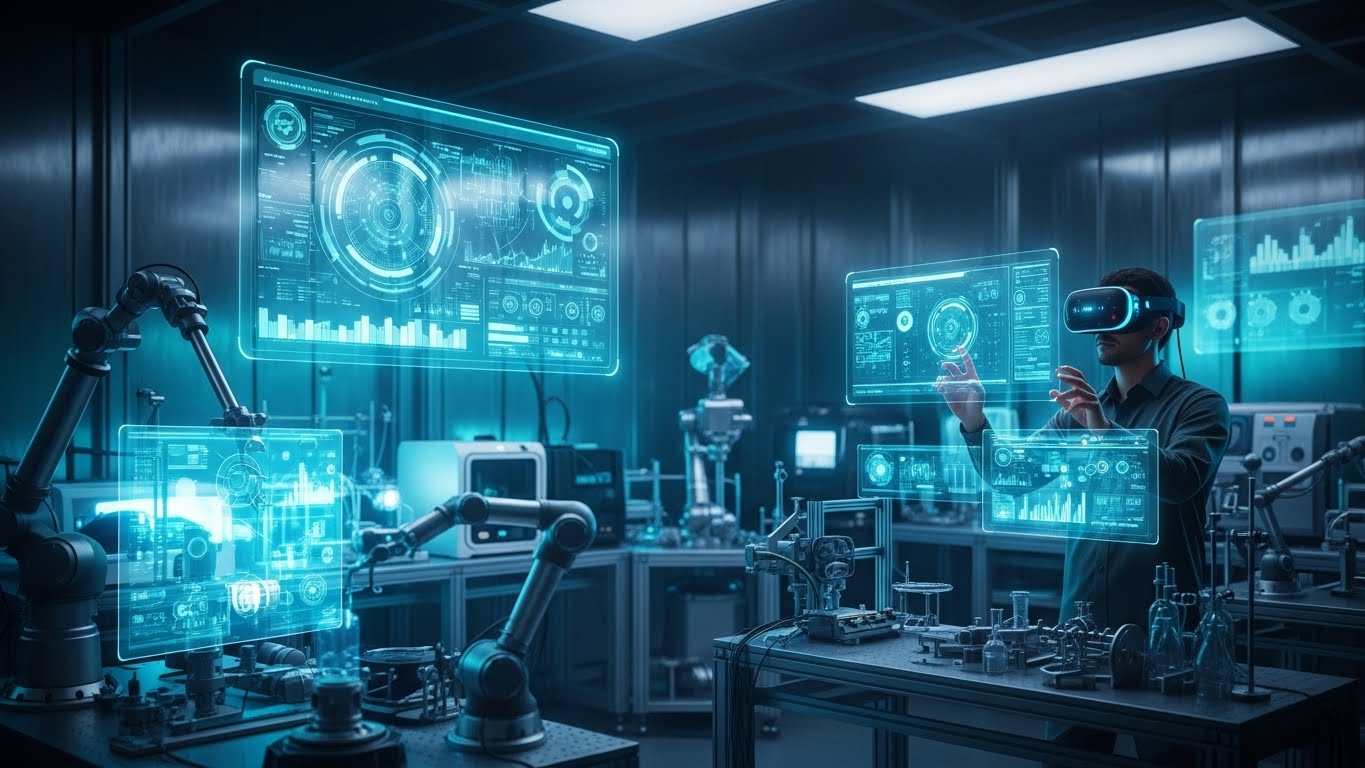

The Rise of Artificial Intelligence
Artificial intelligence, or AI, is no longer just a concept from science fiction. It has become a driving force in numerous industries, transforming everything from healthcare to finance. AI systems can analyze massive datasets, detect patterns, and make decisions faster than humans. This capability has led to the development of AI-powered assistants, predictive analytics tools, and autonomous machines.
Blockchain Beyond Cryptocurrency
When most people hear the term blockchain, they immediately think of cryptocurrency. While digital currencies like Bitcoin and Ethereum have popularized blockchain technology, its applications extend far beyond finance. At its core, blockchain is a decentralized ledger system that ensures transparency, security, and immutability.
Industries such as supply chain management, healthcare, and even voting systems are exploring blockchain solutions. For instance, in supply chains, blockchain can track products from origin to delivery, ensuring authenticity and reducing fraud. In healthcare, patient records can be securely stored and shared among providers without compromising privacy. The decentralization and transparency offered by blockchain have the potential to revolutionize how organizations manage information.
The Internet of Things: Connecting Our World
The Internet of Things, commonly referred to as IoT, is transforming how we interact with everyday objects. IoT refers to a network of connected devices that can communicate with each other, collect data, and automate tasks. Smart homes, wearable fitness trackers, and connected vehicles are just a few examples of IoT in action.
The power of IoT lies in the data it generates. By analyzing real-time information, organizations can make better decisions, optimize operations, and enhance user experiences. For example, in smart cities, IoT sensors can monitor traffic patterns and adjust traffic lights to reduce congestion. In agriculture, IoT devices can track soil moisture and weather conditions to optimize crop yields. As IoT continues to expand, the world is becoming increasingly interconnected and intelligent.
Quantum Computing: A New Frontier
Quantum computing represents a significant leap forward from traditional computing. Unlike classical computers, which use bits to process information as ones or zeros, quantum computers use qubits, which can represent multiple states simultaneously. This property allows quantum computers to solve complex problems that would take classical computers thousands of years to complete.
The potential applications of quantum computing are staggering. In medicine, quantum algorithms could accelerate drug discovery and molecular modeling. In logistics, they could optimize supply chain networks in ways that were previously impossible. Additionally, quantum computing could enhance encryption methods, making digital communication even more secure. While the technology is still in its early stages, researchers are optimistic about its transformative potential.
5G and the Era of Hyperconnectivity
The rollout of 5G networks is not just about faster internet speeds; it is about enabling a new era of hyperconnectivity. 5G technology offers ultra-low latency, higher bandwidth, and the ability to connect millions of devices simultaneously. This advancement is crucial for technologies like autonomous vehicles, smart cities, and augmented reality.
In healthcare, 5G can enable real-time remote surgeries, allowing specialists to operate on patients across the globe. In transportation, self-driving cars can communicate with each other and with traffic infrastructure to reduce accidents and improve efficiency. As 5G becomes more widespread, it will serve as the backbone for an increasingly connected and automated world.
Sustainable Technology: Innovation with Responsibility
As technology evolves, so does the responsibility to use it sustainably. Renewable energy technologies, energy-efficient computing, and eco-friendly materials are becoming central to the tech industry. Companies are increasingly prioritizing sustainability, from reducing carbon footprints in data centers to designing products that can be recycled or repurposed.
Sustainable technology is not just about environmental responsibility; it is also an economic opportunity. Innovations in solar energy, electric vehicles, and smart grids are creating new markets and jobs. As consumers become more conscious of their environmental impact, sustainable tech will play a crucial role in shaping the future of business and society.
Virtual Reality and the Expansion of Digital Worlds
Virtual reality (VR) and augmented reality (AR) are transforming the way we experience digital content. VR immerses users in a completely virtual environment, while AR overlays digital elements onto the real world. These technologies are being used in gaming, education, training, and even mental health therapy.
For example, VR can simulate real-world scenarios for professional training, allowing surgeons, pilots, and engineers to practice in a risk-free environment. AR, on the other hand, enhances our perception of the world by providing real-time information, navigation, and interactive experiences. As these technologies become more sophisticated and accessible, the line between physical and digital realities will continue to blur.
Cybersecurity in a Digital Age
As technology advances, the importance of cybersecurity grows exponentially. Every connected device, online transaction, and digital interaction creates potential vulnerabilities that malicious actors can exploit. Protecting sensitive information, preventing cyberattacks, and ensuring system integrity have become critical priorities for individuals, businesses, and governments.
Emerging technologies like AI-driven security systems, biometric authentication, and decentralized networks are enhancing our ability to defend against cyber threats. However, cybersecurity is an ongoing battle, requiring continuous innovation, awareness, and proactive measures. As our dependence on digital systems grows, so does the need to secure them effectively.
The Ethical Implications of Technology
While technology offers incredible opportunities, it also brings ethical challenges that society must address. AI decision-making, data privacy, and automation all raise questions about responsibility, fairness, and accountability. How do we ensure that AI systems make unbiased decisions? How can we protect individuals’ privacy in a data-driven world? What happens to jobs displaced by automation?
Addressing these questions requires collaboration between technologists, policymakers, ethicists, and society at large. Ethical technology development is not just a moral obligation; it is essential for building trust and ensuring that innovation benefits everyone.
The Role of Education in a Tech-Driven World
As technology continues to evolve, education must adapt to prepare the next generation for the challenges and opportunities ahead. Digital literacy, coding, data analysis, and critical thinking are becoming essential skills. Moreover, lifelong learning will be crucial as individuals need to continuously update their knowledge to keep pace with rapid technological change.
Educational institutions are increasingly incorporating technology into their curricula, from online learning platforms to AI-assisted teaching tools. By fostering creativity, problem-solving, and adaptability, education can empower individuals to thrive in a tech-driven world.
Conclusion: Embracing the Future
The future of technology is both exciting and complex. Innovations like AI, blockchain, quantum computing, IoT, and VR are transforming every aspect of our lives. At the same time, challenges related to ethics, sustainability, and security demand careful consideration.
As we embrace these technological advancements, it is essential to balance innovation with responsibility. By doing so, we can create a future where technology enhances human potential, drives progress, and improves quality of life for all. The journey is just beginning, and the possibilities are limitless.