
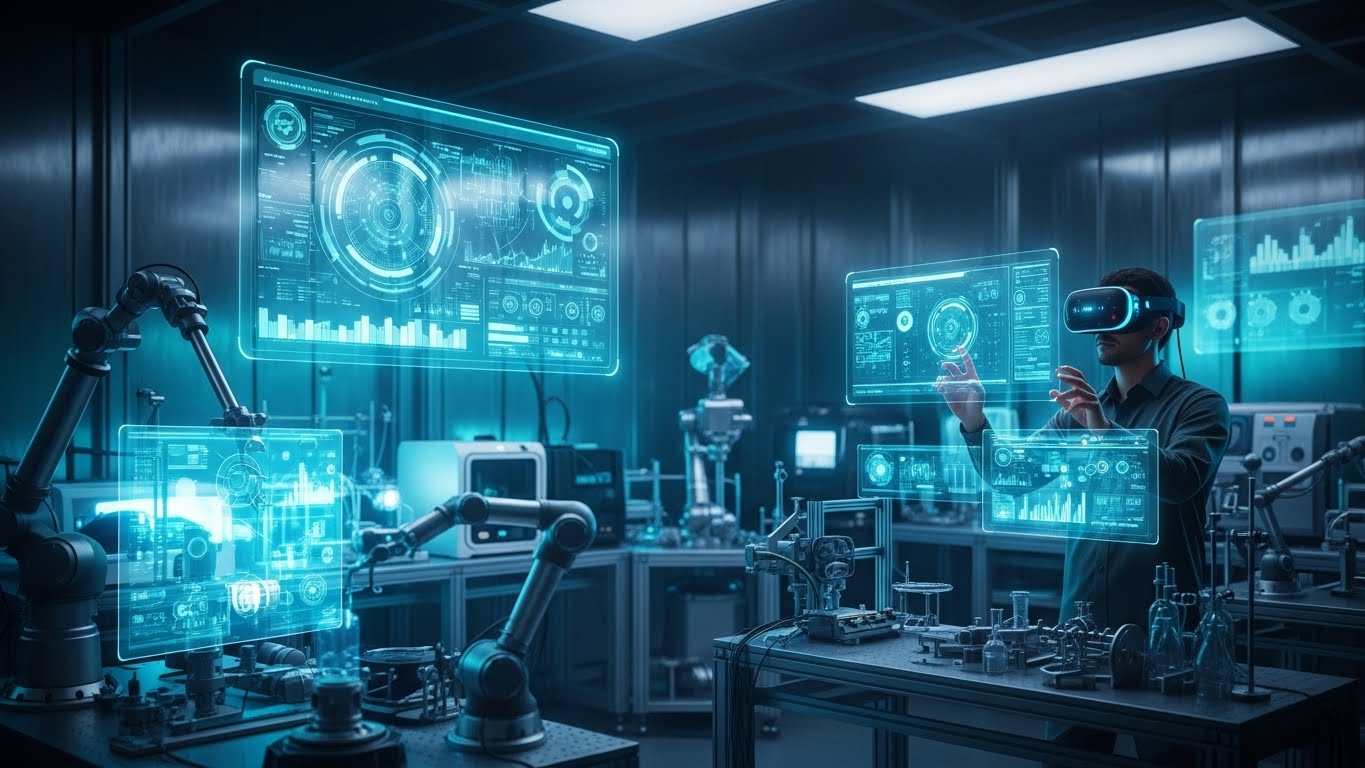
Introduction: A New Era of Technological Transformation
Technology has become an inseparable part of our daily lives. From the way we communicate to how we work and entertain ourselves, technological innovations continuously reshape society. The rapid evolution of digital tools, artificial intelligence, and interconnected systems is redefining possibilities and challenging our understanding of the future. This blog explores the most transformative technological trends, their implications, and what they mean for individuals, businesses, and society at large.
Artificial Intelligence: Beyond Human Imagination
Artificial intelligence has moved far beyond its early concept of simple automation. Modern AI systems can analyze enormous datasets, identify patterns, and make predictions with remarkable accuracy. Machine learning algorithms are now integrated into applications ranging from healthcare diagnostics to personalized marketing. AI-powered virtual assistants have become more intuitive, capable of understanding natural language and responding to complex queries. The ongoing development of generative AI tools promises to enhance creativity, automate routine tasks, and even generate realistic content for art, music, and writing. The challenge, however, lies in ethical considerations, data privacy, and preventing bias in AI decision-making.
The Internet of Things: Connecting Everything
The Internet of Things, or IoT, is revolutionizing how devices interact. Smart homes, wearable technology, and connected vehicles are just the beginning. IoT enables real-time monitoring of health, energy usage, and environmental conditions. Industries such as agriculture benefit from precision farming, where sensors provide insights to optimize water usage and crop growth. Cities are implementing smart infrastructure to manage traffic, reduce pollution, and enhance public safety. As more devices become interconnected, the importance of cybersecurity increases, making data protection a central concern for governments and businesses.
5G Technology: Redefining Connectivity
The rollout of 5G networks marks a major milestone in telecommunications. Unlike previous generations, 5G offers ultra-fast speeds, low latency, and the ability to connect massive numbers of devices simultaneously. This technology fuels advancements in autonomous vehicles, remote surgery, augmented reality, and virtual reality applications. Industries can leverage 5G to enhance productivity through real-time data transfer and cloud computing. The global adoption of 5G also enables faster access to information and more efficient communication, breaking barriers between people and technology. However, the implementation of 5G requires significant infrastructure investment and raises concerns about network security.
Blockchain: Trust in the Digital Age
Blockchain technology offers a revolutionary approach to record-keeping and secure transactions. Beyond cryptocurrencies, blockchain enables transparency, immutability, and decentralization in various sectors. Supply chains can track products from origin to consumer, ensuring authenticity and reducing fraud. In healthcare, blockchain protects patient data while allowing secure sharing between authorized entities. Smart contracts automate agreements and reduce the need for intermediaries, saving time and resources. As blockchain adoption grows, businesses must balance innovation with regulatory compliance and consider the environmental impact of energy-intensive processes.
Quantum Computing: Solving the Impossible
Quantum computing represents a paradigm shift in computational capabilities. Unlike classical computers, which process information sequentially, quantum computers leverage quantum bits, or qubits, to perform multiple calculations simultaneously. This opens the door to solving problems that are currently infeasible, such as complex molecular simulations for drug discovery or optimization challenges in logistics. While still in its early stages, quantum computing holds the potential to transform industries, from finance to material science. Researchers are actively working to overcome challenges related to error rates, qubit stability, and scalability. The success of quantum computing will redefine what is computationally possible.
Virtual and Augmented Reality: Immersive Experiences
Virtual reality and augmented reality are redefining entertainment, education, and professional training. VR creates fully immersive digital environments, allowing users to experience simulated worlds. AR overlays digital information on the real world, enhancing the way we interact with our surroundings. These technologies are increasingly used in healthcare for surgical training, in education for interactive learning, and in retail for virtual try-on experiences. The continuous improvement in hardware, such as lighter headsets and more accurate motion tracking, is making VR and AR more accessible and realistic. The potential of these immersive technologies extends far beyond entertainment, reshaping industries that rely on visualization and experiential learning.
Sustainable Technology: Innovation for a Greener Future
As technology advances, sustainability has become a critical focus. Renewable energy, energy-efficient devices, and green manufacturing processes are transforming the tech industry. Companies are investing in solar, wind, and other clean energy sources to power data centers and operations. Electric vehicles are gaining traction, supported by innovations in battery technology and charging infrastructure. Smart grids optimize energy distribution, reducing waste and carbon emissions. Sustainable technology not only addresses environmental concerns but also creates economic opportunities, driving growth in green jobs and industries. Consumers are increasingly demanding environmentally responsible products, encouraging companies to innovate sustainably.
Cybersecurity: Protecting the Digital World
With increasing reliance on technology comes the heightened risk of cyber threats. Cybersecurity is no longer optional; it is a critical component of modern life. Businesses, governments, and individuals face threats ranging from data breaches to sophisticated cyberattacks. Advanced security measures, including encryption, multi-factor authentication, and AI-driven threat detection, are essential to safeguard sensitive information. As cybercriminals become more sophisticated, the cybersecurity industry must continuously evolve. Awareness and education are equally important, as human error remains a major vulnerability in digital systems. The future of technology depends on robust security protocols to maintain trust and stability.
Biotechnology and Health Tech: The Intersection of Life and Technology
Technological innovation is transforming healthcare in unprecedented ways. Biotechnology, telemedicine, wearable health devices, and AI-driven diagnostics are improving patient outcomes and making healthcare more accessible. Personalized medicine tailors treatment plans to an individual’s genetic profile, increasing the effectiveness of therapies. Remote monitoring devices enable real-time health tracking, reducing the need for frequent hospital visits. AI-assisted research accelerates the discovery of new drugs and treatment methods. The integration of technology into healthcare has the potential to extend human lifespan, enhance quality of life, and democratize access to medical services worldwide.
The Ethical Implications of Technology
While technological advancements offer immense benefits, they also raise ethical questions. AI decision-making, data privacy, and the environmental impact of digital infrastructure are pressing concerns. There is a growing need for responsible innovation that considers long-term consequences. Governments, organizations, and individuals must collaborate to establish regulations, ethical standards, and accountability measures. Ensuring that technology serves humanity, rather than exploiting it, requires careful thought and proactive governance. Ethical technology is not just a moral obligation but also a foundation for sustainable progress and societal trust.
Conclusion: Embracing the Future of Technology
The pace of technological innovation shows no signs of slowing. From AI to quantum computing, IoT to sustainable tech, each breakthrough presents opportunities and challenges. Society must embrace these advancements with both optimism and caution, balancing innovation with responsibility. By understanding the potential and limitations of technology, individuals and organizations can harness its power to create a smarter, safer, and more connected world. The future of technology is not just about gadgets or software; it is about reshaping human experiences, improving lives, and building a sustainable future for generations to come.