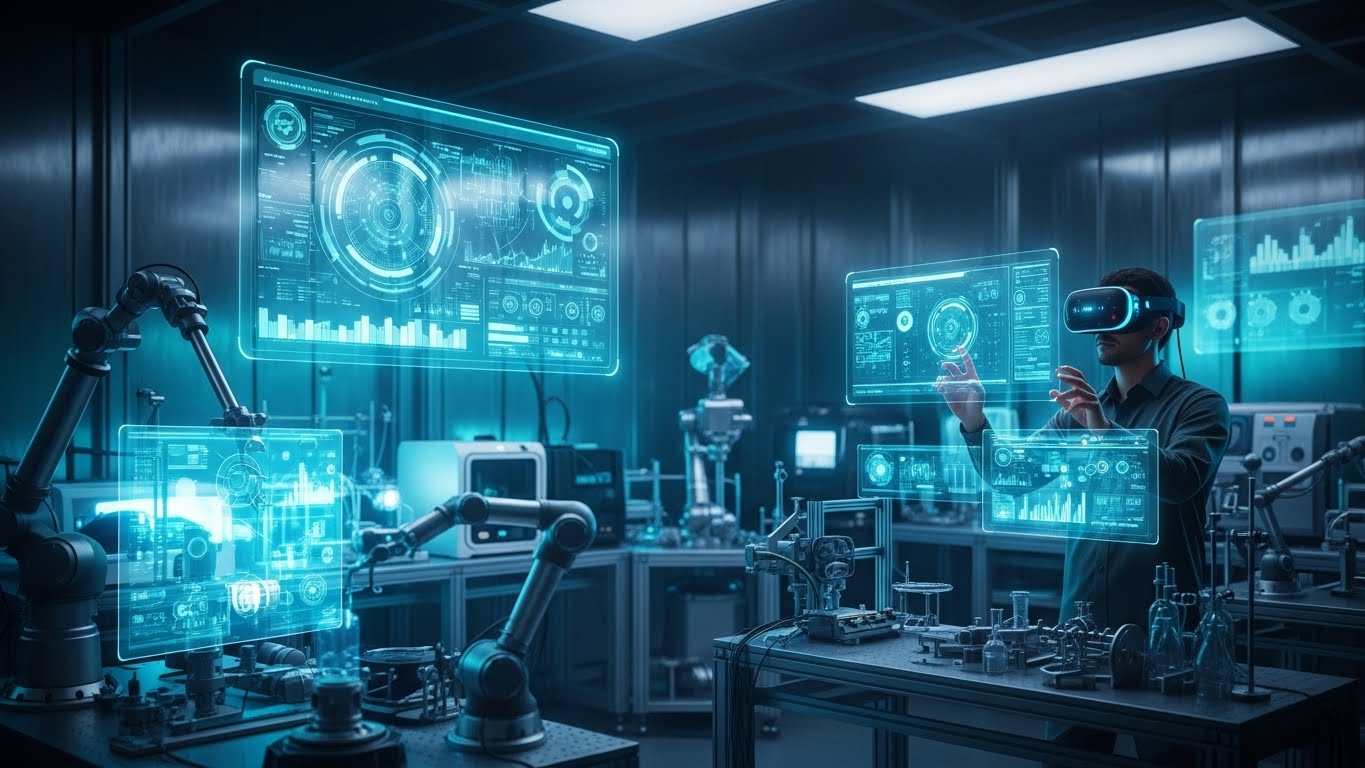

Technology has become the defining force of the 21st century, shaping how we live, work, communicate, and think. From the smartphones in our hands to artificial intelligence that predicts patterns, technology has woven itself into every aspect of human life. It has not only simplified tasks but also revolutionized industries, economies, and even social interactions. This blog explores the vast impact of technology, highlighting its benefits, challenges, and the limitless possibilities it holds for the future.
The Evolution of Technology
Technology has been a part of human progress since the dawn of civilization. Early inventions like the wheel, fire, and basic tools allowed humans to manipulate their environment and build societies. As civilizations advanced, innovations such as the printing press, electricity, and the steam engine laid the groundwork for modern development.
The Industrial Revolution marked a significant turning point, introducing machinery, mass production, and urbanization. The 20th century brought the digital revolution, introducing computers, the internet, and mobile communication. Today, emerging technologies such as artificial intelligence, robotics, virtual reality, and biotechnology are pushing the limits of human capability, shaping how we work, learn, and interact.
Technology and Communication
One of the most profound impacts of technology is on communication. From email to instant messaging, video calls, and social media, technology enables people to connect instantly across the globe. Digital platforms have eliminated geographical barriers, allowing collaboration between individuals and organizations in different countries.
Technology has also transformed education and business communication. Virtual classrooms and online collaboration tools have become mainstream, enabling students to learn remotely and businesses to function efficiently without physical offices. Technology ensures that people remain connected, informed, and engaged, fostering global relationships.
Technology in Education
Education has been revolutionized by technology, making learning more interactive, accessible, and personalized. Digital classrooms, e-learning platforms, online courses, and interactive software enable students to study at their own pace. Artificial intelligence tools can tailor learning experiences, identify strengths and weaknesses, and provide personalized feedback.
Technology also broadens access to education. Students in remote or underserved areas can attend virtual lectures, access libraries, and participate in global learning networks. Digital education equips students with crucial skills such as coding, data analysis, and problem-solving, preparing them for the modern workforce.
Healthcare and Technological Advancements
The healthcare industry has been profoundly transformed by technology. Advanced medical equipment, robotic surgeries, telemedicine, and wearable health devices improve patient care and treatment outcomes. Artificial intelligence assists in diagnosing diseases, analyzing medical images, and predicting potential health risks.
Telemedicine allows patients to consult doctors remotely, breaking geographical barriers and making healthcare accessible to remote communities. Wearable devices track vital signs and encourage proactive health management. Technology in healthcare enhances efficiency, accuracy, and patient-centered care, ultimately saving lives and improving quality of life.
Technology in Business and the Economy
Technology is a driving force in modern business and economic growth. Automation, cloud computing, big data analytics, and artificial intelligence optimize operations, reduce costs, and improve decision-making. E-commerce platforms allow businesses to reach global markets instantly, transforming retail and service industries.
Emerging technologies create new business models and industries. Fintech, cybersecurity, software development, and digital marketing offer vast employment opportunities and encourage entrepreneurship. Small businesses benefit from accessible tools that level the playing field, enabling innovation and competition on a global scale.
Artificial Intelligence and Machine Learning
Artificial intelligence (AI) and machine learning are at the forefront of technological advancement. AI algorithms analyze massive datasets, identify patterns, and predict outcomes, providing insights for industries ranging from healthcare to finance. Machine learning allows systems to improve continuously, making them increasingly effective over time.
AI is now part of daily life. Virtual assistants, chatbots, recommendation systems, and autonomous vehicles are examples of AI’s integration into society. As AI evolves, ethical considerations, transparency, and responsible use are critical to ensure it serves humanity positively and avoids unintended consequences.
Technology in Entertainment
The entertainment industry has been transformed by technology. Streaming services, gaming consoles, virtual reality, augmented reality, and interactive content have revolutionized how people consume media. Technology allows creators to produce immersive, engaging experiences for global audiences.
Gaming, in particular, has become a multi-billion-dollar industry. Competitive esports, advanced graphics, and online multiplayer platforms have changed the way people play and interact. Technology also enables personalized entertainment, with algorithms recommending content tailored to individual preferences.
The Social Impact of Technology
Technology has a profound effect on society. Social media platforms amplify voices, create communities, and facilitate activism. Digital platforms allow people to share ideas, mobilize for causes, and access information instantaneously.
However, technology also presents challenges such as misinformation, online harassment, and digital addiction. Balancing the benefits of connectivity with responsible usage is crucial. Digital literacy, awareness, and ethical practices are essential to maximize the positive impact of technology on society.
Environmental Implications of Technology
While technology drives progress, it also impacts the environment. Electronic waste, energy consumption, and resource depletion are challenges associated with technological advancement. Yet, technology also provides solutions for sustainability. Renewable energy systems, electric vehicles, smart grids, and environmental monitoring tools help mitigate climate change and promote eco-friendly practices.
Developing sustainable technology is critical for balancing innovation with environmental responsibility. By leveraging eco-conscious solutions, humanity can continue to progress without compromising the health of the planet.
Cybersecurity and Data Protection
As technology becomes integral to life, cybersecurity is more important than ever. Personal, organizational, and governmental data are vulnerable to cyberattacks and breaches. Protecting digital assets ensures privacy, trust, and operational security.
Advanced encryption methods, multi-factor authentication, and AI-driven threat detection enhance cybersecurity. Education on safe digital practices and awareness of online risks are equally important. Secure technology ensures society can benefit from innovation without exposure to digital threats.
The Future of Technology
The future of technology promises unprecedented possibilities. Quantum computing, biotechnology, artificial intelligence, renewable energy, and space exploration are poised to reshape human life. Technologies will become increasingly integrated into daily life, enhancing efficiency, creativity, and connectivity.
Ethics, inclusivity, and responsible innovation will be key factors in guiding technological progress. Equitable access, privacy protection, and transparency must accompany new developments to ensure they benefit humanity as a whole. The convergence of emerging technologies will allow innovative solutions to complex problems, from healthcare to climate change and global communication.
Technology and Personal Growth
Technology empowers individuals to grow personally and professionally. Online learning platforms, creative software, virtual collaboration tools, and knowledge-sharing networks enable skill development, self-expression, and professional advancement.
Technology encourages critical thinking, problem-solving, and innovation. It exposes individuals to diverse perspectives, fosters creativity, and builds adaptability—skills essential in a rapidly evolving world. By leveraging technology thoughtfully, people can enhance their personal growth and contribute meaningfully to society.
Conclusion
Technology is more than tools and machines; it is a transformative force shaping every aspect of modern life. It enhances communication, education, healthcare, business, entertainment, and personal growth while influencing society and culture.
While challenges such as cybersecurity risks, environmental concerns, and ethical dilemmas exist, the potential of technology is immense. Responsible innovation, ethical development, and global collaboration will ensure that technology continues to improve lives and create opportunities worldwide.
The evolution of technology reflects human curiosity, creativity, and ambition. Embracing innovation thoughtfully will allow humanity to navigate the future successfully, building a world that is more connected, efficient, and enlightened. Technology is not just a tool—it is the gateway to the future of human potential.